
Betina Bolin
LCSWMissouri · 16 yrs exp
Compassionate social worker guiding trauma recovery
Stress, Anxiety · Trauma and abuse · Self esteem · Bipolar · +12 more
Read profileTherapist listings are provided by BetterHelp. We will earn a commission at no additional cost to you if you sign up through our links.
This collection groups therapist profiles that list trauma-focused therapy and Veterans as a focus. Visitors can compare listed approaches, credentials, languages, and stated focus areas; browse profiles to learn more about individual clinicians.
Missouri · 16 yrs exp
Compassionate social worker guiding trauma recovery
Stress, Anxiety · Trauma and abuse · Self esteem · Bipolar · +12 more
Read profile
Arizona · 30 yrs exp
Seasoned counselor focused on practical healing
Stress, Anxiety · Trauma and abuse · Self esteem · Career · +11 more
Read profile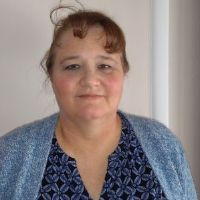
Nebraska · 25 yrs exp
Compassionate therapist focusing on trauma recovery
Stress, Anxiety · Family · Trauma and abuse · Parenting · +12 more
Read profile
Michigan · 24 yrs exp
Compassionate guidance for steady, practical change
Stress, Anxiety · Addictions · Relationship · Family · +1 more
Read profile
Ohio · 17 yrs exp
Practical, compassionate trauma-informed care
Stress, Anxiety · Family · Parenting · Depression · +12 more
Read profile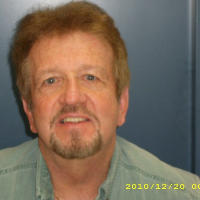
Michigan · 5 yrs exp
Compassionate, practical therapy for everyday struggles
Stress, Anxiety · Addictions · Relationship · Family · +1 more
Read profile
Indiana · 11 yrs exp
Collaborative therapy for lasting self-understanding
Stress, Anxiety · Addictions · Trauma and abuse · Parenting · +14 more
Read profile
Michigan · 26 yrs exp
Practical, compassionate therapy for life transitions
Stress, Anxiety · Addictions · Relationship · Grief · +14 more
Read profile
Michigan · 15 yrs exp
Compassionate clinician helping people regain balance
Stress, Anxiety · LGBT · Relationship · Depression · +16 more
Read profile
Illinois · 26 yrs exp
Calm, practical therapist focused on healing
Stress, Anxiety · Addictions · Anger · Self esteem · +13 more
Read profile
Illinois · 30 yrs exp
Calm, practical therapy for trauma and life stress
Stress, Anxiety · Relationship · Family · Trauma and abuse · +12 more
Read profile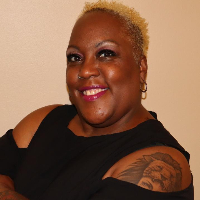
Michigan · 15 yrs exp
Compassionate therapist for trauma and life change
Stress, Anxiety · Trauma and abuse · Grief · Depression · +11 more
Read profile
Ohio · 14 yrs exp
Compassionate, practical support for life’s hard moments
Stress, Anxiety · Addictions · Relationship · Family · +9 more
Read profile
Missouri · 10 yrs exp
Therapist focused on practical trauma recovery
Stress, Anxiety · Relationship · Family · Self esteem · +12 more
Read profile
Iowa · 9 yrs exp
Compassionate trauma-informed counseling
Trauma and abuse · Grief · Anger · Self esteem · +10 more
Read profile
Kansas · 30 yrs exp
Experienced social worker focused on trauma recovery
Stress, Anxiety · Trauma and abuse · Sleeping · Self esteem · +14 more
Read profile
Ohio · 35 yrs exp
Calm, experienced social worker focused on trauma
Addictions · Trauma and abuse · Self esteem · Bipolar · +7 more
Read profile
Indiana · 5 yrs exp
Straightforward, compassionate mental health care
Stress, Anxiety · Relationship · Self esteem · Depression · +7 more
Read profile
Arkansas · 30 yrs exp
Collaborative counselor focused on lasting change
Stress, Anxiety · Addictions · Grief · Self esteem · +1 more
Read profile
Indiana · 29 yrs exp
Compassionate trauma-informed care with experience
Stress, Anxiety · Trauma and abuse · Grief · Sleeping · +9 more
Read profile
Michigan · 40 yrs exp
Calm guidance for practical change
LGBT · Relationship · Grief · Career · +14 more
Read profile
Ohio · 23 yrs exp
Compassionate trauma-informed counseling in Ohio
Stress, Anxiety · Relationship · Trauma and abuse · Bipolar · +11 more
Read profile
Illinois · 18 yrs exp
Compassionate bicultural counselor with practical focus
Stress, Anxiety · Addictions · Trauma and abuse · Grief · +12 more
Read profile
Texas · 25 yrs exp
Experienced trauma-informed marriage and family therapist
Stress, Anxiety · Addictions · Relationship · Family · +12 more
Read profileWhen you see the phrase trauma-focused therapy on a profile, it signals that the clinician lists trauma as one of the areas they address in their work. For veterans, this may mean a therapist has experience working with people who identify military service as a central part of their history. That experience can include familiarity with military culture, common stressors associated with service, and ways that past events can affect daily life. Profiles in this directory indicate that a therapist lists trauma-focused therapy among their approaches, but this listing is descriptive rather than a guarantee of a specific method or outcome.
Your priorities may be different from someone else who served. You might be looking for help with intrusive memories, sleep disruption, anger, relationships, or the emotional aftermath of medical or service-related experiences. A profile that lists Veterans as a focus suggests the clinician may have chosen to highlight this population in their practice. When you read profiles, look for language that matches your concerns and for approaches that you want to explore in conversation with a clinician.
This page brings together profiles that list both trauma-focused therapy and Veterans as areas of emphasis. The directory’s trauma focus provides a context for the clinicians you will find here, but it does not imply that every profile contains the same set of services or that any particular therapist offers the same techniques. You may notice that some profiles describe approaches that emphasize talk-based processing, while others reference body-centered work or skill-based strategies. Those descriptors are there so you can find clinicians whose stated methods resonate with you and then follow up to learn more.
Because the directory aggregates profiles from many clinicians, the specifics you see on an individual profile are the best source of information about that clinician’s practice. Profiles may indicate the populations a therapist highlights, such as veterans or service members, and they may list languages spoken, academic degrees, and the names of approaches the therapist uses. Keep in mind that degrees such as PhD, PsyD, MD, MA, and MSW indicate educational background and are not the same as a license or registration. A degree alone does not establish current permission to practice in a given jurisdiction.
When you consider contacting a clinician, it helps to have clear questions prepared. You might ask how the therapist defines trauma-focused therapy in their work and which approaches they tend to use. If an individual profile lists approaches such as EMDR among their approaches, cognitive behavioral strategies, narrative work, or somatic methods, you can ask the clinician to describe what that looks like in sessions. Ask about experience with military-related concerns that matter to you, such as combat-related stress, military sexual trauma, transition to civilian life, or injuries sustained during service.
It is also reasonable to ask about the therapist’s scope of practice and whether they work with the specific issues you want to address. Clarify whether they work with individuals of a certain age range or with particular medical or legal contexts, since a profile that lists a topic does not indicate all possible services. Request information about how they measure progress and what they consider to be the boundaries of their practice. You may want to know which professional license the clinician holds and whether they are permitted to practice in your state or region; always verify licensure and permission to practice through the appropriate licensing board if that is important to you.
If you are planning to connect with someone remotely, have a conversation in advance about practical and clinical matters. Ask where the clinician is legally authorized to practice and whether that matches your listed location, since licensing rules vary across jurisdictions. Discuss how they handle urgent concerns and what steps they recommend if you are in immediate danger. Anyone in immediate danger should contact emergency services or local crisis resources right away.
Bring up the logistics of remote sessions such as preferred technology, how session invitations and communication are handled, and what to expect if a technical interruption occurs. You should also discuss privacy-related practices in plain language - for example, how electronic files and communication are managed and how you can reach the clinician between sessions if needed. Ask about time zone differences, session length, and whether the clinician sees the kinds of concerns you have in a remote format. These concrete topics help you set expectations before you begin work together.
Comparing profiles effectively means looking for the details that matter to you. Read the way a clinician describes their focus and notice whether Veterans or military-related work is highlighted in a way that matches your needs. Pay attention to the specific approaches they list - some profiles will name methods such as EMDR among their approaches, cognitive behavioral techniques, trauma-informed psychoeducation, or body-focused approaches. Those listings give you starting points for questions but do not prove certification in any given method.
Look at language options and cultural competence indicators if speaking in your preferred language or working with someone familiar with your cultural background is important. Review academic credentials alongside professional licenses. A PhD, PsyD, MD, MA, or MSW tells you about education, while license abbreviations such as LCSW, LPC, LMFT, or psychologist licensure indicate legal authorization to practice. Confirming a license and whether the clinician is permitted to work with you in your location is a key step before starting care.
Finally, consider therapeutic style as described on the profile. Some clinicians use direct, skills-focused language while others emphasize collaborative exploration and paced processing. Think about whether you prefer an approach that is structured and goal-oriented or one that allows more time for narrative and meaning-making. If the profile mentions experience with groups, family work, or coordination with veterans' services, ask how those elements might intersect with your goals. By comparing specific, concrete details across profiles, you can narrow your options to clinicians whose stated focus, approaches, and communication style align with what you want to explore.
After you identify profiles that look promising, reach out with the questions that matter most to you about approach, experience, licensure, and logistics. Keep a note of the listed location and any languages mentioned so you can confirm that they apply to your situation. If you have medical, legal, or benefits-related questions tied to military service, plan to discuss coordination of care and referrals with the clinician during initial conversations. Remember that a profile listing trauma-focused therapy and Veterans as a focus is a starting point for dialogue rather than a full description of services.
Choosing a therapist is a personal decision and often involves trade-offs between approach, style, and practical considerations. Use the profile information to guide questions, verify licensure and permission to practice, and have candid conversations about how the clinician works. If you are in immediate danger or believe you may harm yourself or others, contact emergency services or a local crisis hotline right away. Otherwise, take your time reviewing profiles, prepare specific questions, and reach out to clinicians whose written descriptions align with the care you are seeking.
Alabama
7 therapists
Alaska
1 therapist
Arizona
10 therapists
Arkansas
5 therapists
California
8 therapists
Colorado
11 therapists
District of Columbia
1 therapist
Florida
38 therapists
Georgia
10 therapists
Illinois
233 therapists
Indiana
127 therapists
Iowa
39 therapists
Kansas
57 therapists
Kentucky
5 therapists
Louisiana
5 therapists
Maine
1 therapist
Maryland
2 therapists
Massachusetts
1 therapist
Michigan
241 therapists
Minnesota
86 therapists
Mississippi
3 therapists
Missouri
201 therapists
Montana
2 therapists
Nebraska
40 therapists
New Jersey
4 therapists
New Mexico
5 therapists
New York
5 therapists
North Carolina
9 therapists
North Dakota
6 therapists
Ohio
197 therapists
Oklahoma
10 therapists
Oregon
2 therapists
Pennsylvania
5 therapists
South Carolina
6 therapists
South Dakota
21 therapists
Tennessee
5 therapists
Texas
18 therapists
Utah
2 therapists
Vermont
1 therapist
Virginia
3 therapists
Washington
7 therapists
West Virginia
4 therapists
Wisconsin
136 therapists
Wyoming
3 therapists