
Rasheena Vail
LCSW, LICSWWashington · 13 yrs exp
Trauma-informed, practical mental health support
Stress, Anxiety · LGBT · Self esteem · Depression · +16 more
Read profileTherapist listings are provided by BetterHelp. We will earn a commission at no additional cost to you if you sign up through our links.
Compare trauma-focused therapy approaches, clinical focus areas, languages and credentials for therapists listed under Washington. Browse profiles below to learn more about each clinician and contact them directly to ask about permission to work together where you live.
Washington · 13 yrs exp
Trauma-informed, practical mental health support
Stress, Anxiety · LGBT · Self esteem · Depression · +16 more
Read profile
Washington · 7 yrs exp
Purpose-focused counselor for trauma and anxiety
Stress, Anxiety · Trauma and abuse · Eating · Self esteem · +1 more
Read profile
Washington · 15 yrs exp
Compassionate therapist focused on trauma recovery
Stress, Anxiety · LGBT · Family · Trauma and abuse · +11 more
Read profile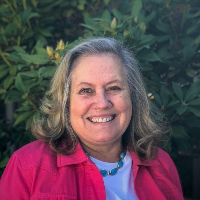
Washington · 20 yrs exp
Experienced LCSW mixing practical therapy and trauma focus
Stress, Anxiety · Addictions · LGBT · Trauma and abuse · +10 more
Read profile
Washington · 6 yrs exp
Calm, practical support after trauma and stress
Stress, Anxiety · LGBT · Family · Parenting · +11 more
Read profile
Washington · 5 yrs exp
Compassionate trauma-informed care for everyday life
Stress, Anxiety · Relationship · Family · Trauma and abuse · +1 more
Read profile
Washington · 25 yrs exp
Practical trauma-informed therapy with a values focus
Relationship · Trauma and abuse · Grief · Depression · +1 more
Read profileWhen you see trauma-focused therapy listed in a clinician's profile, it indicates that addressing trauma is part of the approaches they offer, not a guarantee of a particular outcome or a specific certification. In plain language, trauma-focused therapy describes work that emphasizes understanding how past distressing experiences affect your feelings, behavior and relationships, and then seeks ways to reduce current difficulties related to those experiences. Therapists may combine different models, skills training and conversation to help you process what matters most to you. This does not promise recovery, and it does not imply crisis, inpatient or forensic services.
This page groups profiles under the listed location Washington. That grouping is meant to help you compare clinicians who identify Washington as a listed location, but it is not evidence of an office address, physical proximity, eligibility for every resident, or an active license in that location. Always check the individual profile and confirm directly with the clinician whether they have permission to work with you in your jurisdiction before starting care. If you or someone else is in immediate danger, call emergency services right away.
When you review profiles, pay attention to how clinicians describe their credentials and clinical titles. Academic degrees such as PhD, PsyD, MD, MA or MSW indicate educational attainment, but a degree alone does not establish current permission to practice. Licenses or registrations are the legal authorizations that govern whether a clinician can provide care in a particular place. Profiles may name degrees and may state license types, but the only reliable way to confirm permission to work where you live is to contact the clinician and, if needed, verify licensure with the state licensing board.
Because the directory groups clinicians under a listed location, you should not assume that being listed under Washington means an in-person office or that a clinician can legally provide care to all Washington residents. Telehealth rules, interstate practice agreements and licensing boundaries vary, so ask a clinician about the jurisdictions where they are permitted to practice and whether they can offer care to you specifically. Request clarification of both degree titles and the active professional license that authorizes clinical practice, and keep a record of the conversation for your reference.
To determine whether a clinician may be a good fit, you will want to ask clear, concrete questions about how they work and with whom they typically work. Rather than relying on labels alone, ask which trauma-focused methods they use and how they tailor those methods to individual needs. You can request examples of the kinds of concerns they commonly help with and how they measure progress. Ask whether they routinely work with adults, adolescents or children, and whether they have experience with issues that are important to you, such as complex trauma, acute stress following a recent event, or trauma related to relationship violence.
If there are particular modalities you have heard about, you can inquire if a clinician lists that approach among their practices by saying something like, "I saw that you list EMDR among your approaches; how do you integrate that into sessions?" Phrase questions to get a sense of day-to-day practice: what a typical session looks like, how long people tend to work together, and how the therapist adapts when someone is overwhelmed. Also ask about additional supports the clinician refers to when a client's needs exceed outpatient care, so you understand the scope of what they offer and what other resources might be recommended.
If you are considering remote sessions, there are specific topics you should cover before beginning. Confirm whether the clinician has legal permission to provide telehealth to people who live in Washington, and if they do not, ask whether they can recommend someone who does. Clarify the technology they use and any steps they take to protect your privacy during sessions, and ask what to do if technical problems interrupt a session. You should also discuss emergency planning - who to call locally if you or someone you care for is at immediate risk - because the clinician may not be able to provide emergency services directly.
Talk through administrative details that matter to you, such as how cancellations are handled, how records are stored and how to communicate between sessions. If language access or cultural knowledge is important, ask how the clinician matches clients to the right supports, whether they collaborate with interpreters or co-treatment partners, and how they accommodate different communication needs. These conversations help set expectations and give you a clearer sense of whether a remote arrangement will meet your needs.
When you compare profiles, focus on the elements that affect day-to-day working fit. Read how each clinician describes their clinical focus areas to see whether they foreground trauma in the contexts most relevant to you, such as military-related trauma, interpersonal violence, or complex developmental trauma. Note the languages spoken and whether the profile indicates cultural or community experience that matters to you. Language ability and cultural familiarity can shape how comfortable you feel and how clearly you can express your experiences.
Examine how clinicians describe their therapeutic style and session structure. Some clinicians present a skills-based, problem-solving orientation while others emphasize reflective processing and exploration of meaning. Ask questions that highlight differences: "What is a typical first month like working with you?" and "How do you know when it is time to change course in treatment?" These kinds of comparative questions help you understand whether a clinician's style aligns with your preferences. Remember that a listed approach is not proof of a specific training or credential in that method; if particular training matters to you, ask the clinician to describe their experience and ongoing education in that area.
Ultimately, profiles are a starting point for conversation. Use them to narrow whom you contact, but rely on direct conversations to confirm licensure, permission to work together where you live, population focus, language needs and approach. By asking specific, practical questions about how a clinician works day to day and how they handle the administrative and legal aspects of care, you can choose a professional to discuss your goals and next steps with confidence.
Anger
1139 therapists
Depression
1466 therapists
Dissociation
376 therapists
Domestic Violence
672 therapists
Grief
1280 therapists
Guilt and Shame
1191 therapists
Isolation / Loneliness
1087 therapists
Mood Disorders
1033 therapists
Panic Disorder and Panic Attacks
915 therapists
Post-Traumatic Stress
1256 therapists
Self Esteem
1419 therapists
Sleeping Disorders
490 therapists
Social Anxiety and Phobia
1074 therapists
Stress & Anxiety
1527 therapists
Trauma and Abuse
1484 therapists