
Raymond Butts
LPCArizona · 30 yrs exp
Seasoned counselor focused on practical healing
Stress, Anxiety · Trauma and abuse · Self esteem · Career · +11 more
Read profileTherapist listings are provided by BetterHelp. We will earn a commission at no additional cost to you if you sign up through our links.
This page groups profiles of clinicians who list trauma-focused therapy and who are associated with the listed location Arizona. You can compare credentials, clinical approaches, focus areas and languages to find clinicians who may match your needs.
Browse the profiles below and reach out to individuals to ask about their experience, scope of practice and whether they have permission to work with you where you live.
Arizona · 30 yrs exp
Seasoned counselor focused on practical healing
Stress, Anxiety · Trauma and abuse · Self esteem · Career · +11 more
Read profile
Arizona · 15 yrs exp
Practical, compassionate counseling for stress and trauma
Stress, Anxiety · Addictions · Trauma and abuse · LGBT · +6 more
Read profile
Arizona · 23 yrs exp
Trauma-informed, person-centered counseling
Stress, Anxiety · Self esteem · Depression · Coping with life changes · +16 more
Read profile
Arizona · 8 yrs exp
Compassionate trauma-informed counseling for life challenges
Stress, Anxiety · Family · Trauma and abuse · Self esteem · +8 more
Read profile
Arizona · 25 yrs exp
Practical trauma-informed support for everyday life
Stress, Anxiety · Trauma and abuse · Grief · Bipolar · +14 more
Read profile
Arizona · 26 yrs exp
Compassionate counselor focused on real-life change
Stress, Anxiety · Family · Career · Depression · +12 more
Read profile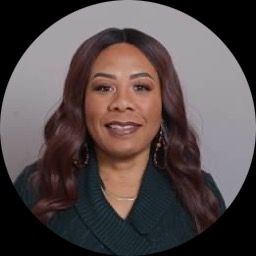
Arizona · 10 yrs exp
Supportive counselor for trauma and life change
Stress, Anxiety · Addictions · Trauma and abuse · Grief · +14 more
Read profile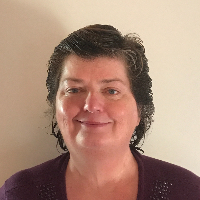
Arizona · 26 yrs exp
Experienced LCSW focused on practical care
Stress, Anxiety · Relationship · Trauma and abuse · Anger · +8 more
Read profile
Arizona · 22 yrs exp
Trauma-informed clinician focused on practical change
Stress, Anxiety · LGBT · Family · Trauma and abuse · +16 more
Read profile
Arizona · 13 yrs exp
Trauma-informed clinician focused on practical change
Stress, Anxiety · Relationship · Trauma and abuse · Self esteem · +2 more
Read profileWhen you see a clinician described as offering trauma-focused therapy, that label describes an orientation toward identifying and working with the effects of traumatic experiences. In plain language, trauma-focused therapy means the clinician plans sessions with the goal of addressing trauma-related symptoms, memories or patterns, and tailors interventions to those concerns. The phrase does not promise a single method or uniform outcome. Therapists can list a variety of approaches in their profiles; for example, you may find clinicians who list EMDR among their approaches, or others who emphasize cognitive strategies, bodily awareness, narrative work or skills-building. Any named approach should be taken as an area a clinician may use rather than as proof of specialized certification.
If you are facing a crisis or are in immediate danger, contact emergency services right away. Trauma work can be emotionally demanding. It helps to know that trauma-focused therapy is an umbrella term that describes intent and focus rather than a guarantee of particular techniques or results. Your conversations with a clinician can clarify what they mean by trauma-focused work and how they would approach your specific concerns.
Profiles on this site are grouped under the listed location Arizona, but that listed location is not itself evidence of an office, local eligibility, or a current license in Arizona. When you look at a profile, check the details the clinician provides about where they practice, and confirm directly whether they have permission to work with you in your state or community. Professional academic degrees such as PhD, PsyD, MD, MA and MSW identify a clinician's educational background; those degrees are distinct from professional licenses or registrations. Licenses such as LCSW, LPC, LMFT and other state credentials are the professional authorizations that indicate permission to provide clinical services in many jurisdictions. A degree alone does not establish current permission to practice, and license types and scopes vary between states.
Ask clinicians to confirm the jurisdiction tied to their license and whether they are authorized to meet with you where you live. If you plan to meet in person, inquire about the listed address or office location on the profile. If you plan to work remotely, be explicit about licensure and legal permission to provide remote care across state lines. The goal is to make sure the clinician's professional standing aligns with the legal and ethical expectations for care where you are located.
To evaluate whether a clinician's approach fits your needs, prepare specific questions before contacting profiles. Ask how the clinician defines trauma-focused therapy in their practice and which approaches they most often use with clients bringing trauma-related concerns. Inquire about the clinician's experience working with the types of events or symptoms you are facing, and ask whether they have worked with people from similar backgrounds or with similar cultural or language needs. You can request examples of what a few sessions might focus on early in the work and how progress is typically assessed. Ask whether the clinician offers a preparatory period or stabilization work before approaching intense memories, and how they support you between sessions when emotions rise.
It is appropriate to ask about boundaries around scope of practice. If you have medical, legal or forensic questions, clarify whether those topics fall within the clinician's experience. Discuss how the clinician handles referrals when needs exceed their scope, such as coordination with medical providers or community resources. These conversations will help you understand not just the named approaches on a profile but how the clinician applies them to real situations.
If you are considering remote sessions, several practical topics are important to review with clinicians listed in Arizona or elsewhere. Confirm the legal permission to practice across state lines and whether the clinician is allowed to provide care to you in your current jurisdiction. Talk about the technology you will use, how to handle dropped connections and what steps to take if a session is interrupted. Ask about privacy safeguards and how the clinician protects session content, and plan to be in a private space on your side during video conversations so you can speak freely. You can also ask whether notes, messaging or supplemental resources are part of the service, and how clinicians handle urgent concerns between scheduled meetings.
Make sure you understand emergency protocols. If an urgent safety concern arises during remote care, clarify who to contact and what local emergency resources are recommended. If you are ever in immediate danger, contact emergency services. Before beginning remote work, it is reasonable to ask for a short trial conversation or intake to see how the clinician's communication style fits your expectations and to confirm practical arrangements such as session length and the preferred ways to reschedule or cancel.
Comparing clinician profiles goes beyond reading a headline. Look at the focus areas that clinicians list and consider how they describe working with trauma-related themes - whether they emphasize symptom management, relational patterns, behavioral strategies or somatic awareness. Pay attention to language options listed on profiles if communicating in a specific language is important to you. Note the mix of degrees and professional licenses in each profile and remember the distinction between an academic degree and a license that grants practice permission. If a clinician lists a degree such as PhD, PsyD, MD, MA or MSW, that clarifies education. If they list a license such as LCSW, LPC or LMFT, that indicates a professional registration often tied to the right to practice in particular jurisdictions.
Style and therapeutic fit matter and are harder to judge from a profile alone. Look for descriptions of how the clinician structures sessions, how collaborative they expect the process to be, and how they frame goals with clients. You can ask about pacing, whether they emphasize skills practice or deeper narrative exploration, and how they involve family or other supports if that is relevant to your situation. Remember that a listed topic does not establish that the clinician treats children, couples or families. Discuss your specific needs directly with the clinician so you can evaluate whether their stated focus areas and style align with what you are seeking.
When you find profiles that feel promising, reach out and ask the practical questions you need answered. Confirm licensure and permission to work with you where you live, clarify the clinician's approach to trauma-focused work, and discuss the logistics of sessions. Clear communication in these early steps will help you make an informed choice about who to contact for an initial conversation.
Anger
1139 therapists
Depression
1466 therapists
Dissociation
376 therapists
Domestic Violence
672 therapists
Grief
1280 therapists
Guilt and Shame
1191 therapists
Isolation / Loneliness
1087 therapists
Mood Disorders
1033 therapists
Panic Disorder and Panic Attacks
915 therapists
Post-Traumatic Stress
1256 therapists
Self Esteem
1419 therapists
Sleeping Disorders
490 therapists
Social Anxiety and Phobia
1074 therapists
Stress & Anxiety
1527 therapists
Trauma and Abuse
1484 therapists