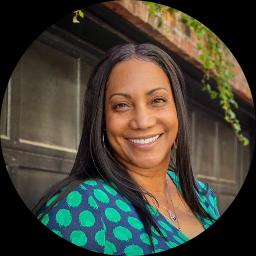
Rhonda Davis
LMSW
Compassionate clinician helping people regain balance
- Trauma-informed approaches
- Practical coping skills
- Collaborative goal setting
About Rhonda
She uses a mix of approaches to match each person’s needs, including Trauma-Focused Therapy, Acceptance and Commitment Therapy, and Cognitive Behavioral Therapy. Sessions tend to center on identifying what lies behind current struggles and trying new ways to respond. Rhonda emphasizes collaboration and clear, doable steps rather than long, abstract talk.
Clients often work on improving communication, managing stress, and exploring new interests and routines. She also supports people dealing with grief, relationship strain, addiction concerns, self-esteem issues, and work-related stress. Her background includes attention to attachment concerns, caregiver stress, and conditions that co-occur with other health issues.
Rhonda aims to help people discover strengths and rebuild a sense of control after difficult events. She frames goals in everyday terms and focuses on skills people can use between sessions. The overall aim is steady, practical change that improves quality of life.
If someone is thinking about starting therapy, Rhonda offers a straightforward intake process and works together with each person to find realistic next steps.
How Rhonda’s approaches translate to online therapy
Rhonda draws on Trauma-Focused Therapy to help people process difficult events and reduce the ways past experiences interfere with daily life. This approach focuses on working through memories and reactions in manageable steps so people can regain more control over daily routines.She also uses Acceptance and Commitment Therapy (ACT), which emphasizes noticing difficult thoughts and feelings without getting stuck in them. ACT helps people clarify what matters to them and take small actions aligned with those values. Attachment-Based Therapy is another influence; it looks at how early relationships affect current patterns and helps people form healthier ways of relating to others.
Finding the right approach is part of the work. Rhonda will collaborate with each person to choose or blend methods based on needs, goals, and preferences. She checks in about what’s working and adjusts the plan together so therapy stays practical and relevant.
If you’re considering online sessions, confirm the current session options before booking since formats are not specified here. Online therapy can make it easier to fit sessions into a busy week, allow shorter check-ins when needed, and avoid travel time. Therapists can tailor pace and tools to the rhythm of everyday life so the work is usable between sessions.
These summaries are based on the profile information listed on BetterHelp. Listing trauma-focused therapy does not mean a therapist holds a specific certification such as TF-CBT, EMDR or CPT.
Areas of expertise
Primary focus
Also works with
Additional focus areas
Therapeutic approaches
Experience
15+ years
Credentials
Michigan
Languages
English
Licenses listed
- LMSW, Michigan6801087049
- NPI1194853945
As listed on the therapist's profile. You can check a license with the state licensing board and an NPI in the national registry.
Frequently asked questions
What concerns does Rhonda commonly address?
She helps people with stress, anxiety, depression, trauma and abuse, grief, addictions, relationship and intimacy-related issues, self-esteem, and work or career stress.
What is her therapeutic style like?
Her style is collaborative and practical. She focuses on identifying root issues and building clear coping skills people can use between sessions.
How much clinical experience does she have?
Rhonda has 15 years of experience practicing in Michigan working with a wide range of concerns and life transitions.
What credentials and location are listed?
She holds an LMSW credential and practices in Michigan.
In which languages are sessions offered?
Sessions are offered in English.
Can people outside the United States work with her?
International clients are not currently accepted.
How are session costs handled?
Cost varies with location and therapist availability; sessions use a subscription that can be canceled at any time.
What steps are involved in getting started?
To begin, select the Start Therapy button, complete a short matching questionnaire, and schedule according to therapist availability.
Therapists on BetterHelp do not prescribe medication; a doctor can talk with you about medical options. This directory is not a crisis service. If you are in immediate danger, call 911. If you are thinking about suicide, call or text 988.