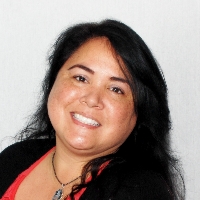
Victoria Scott
LPCMississippi · 11 yrs exp
Trauma-informed, person-centered counseling
Stress, Anxiety · Family · Trauma and abuse · Self esteem · +15 more
Read profileTherapist listings are provided by BetterHelp. We will earn a commission at no additional cost to you if you sign up through our links.
Use these profiles to compare clinicians who list trauma-focused therapy among their approaches and to review education, professional credentials, focus areas and languages. Browse the profiles for the listed location Mississippi and contact individuals directly to confirm permission to work with you where you live.
Mississippi · 11 yrs exp
Trauma-informed, person-centered counseling
Stress, Anxiety · Family · Trauma and abuse · Self esteem · +15 more
Read profile
Mississippi · 20 yrs exp
Trauma-informed, faith-aware counseling for adults
Stress, Anxiety · Trauma and abuse · Parenting · Self esteem · +7 more
Read profile
Mississippi · 13 yrs exp
Trauma-informed, practical therapy for everyday life
Stress, Anxiety · LGBT · Self esteem · Depression · +1 more
Read profileIf you are researching trauma-focused therapy, you are likely trying to find a clinician who understands responses to traumatic experiences and who lists trauma work as a clinical focus. In plain terms, trauma-focused therapy refers to approaches that prioritize identifying the impact of traumatic events on your thoughts, emotions and functioning, and that aim to address those effects in treatment. It is not a promise of a specific outcome, and it does not guarantee any particular method will be used. Therapists who list trauma-focused therapy among their approaches may draw on different techniques and emphases, so your first step is to think about what matters most to you in care. Consider whether you want someone who has experience with particular life experiences, with working across certain age groups, or with incorporating cultural, religious or community contexts into their work.
When you review profiles, pay attention to descriptions of focus areas and client populations so you can narrow your search to clinicians whose experience aligns with your needs. Keep in mind that a listed location does not by itself confirm where a clinician is authorized to practice or that they maintain an office in that city. If you are in immediate danger or feel you might harm yourself or someone else, contact emergency services right away.
Profiles in this directory are grouped by the listed location Mississippi, but that grouping should be a starting point rather than a final determination of fit. The listed location may reflect where a clinician is based, where they offer in-person appointments, or simply an area they associate with their practice. You should verify details on the individual profile and reach out to confirm whether the clinician has permission to work with you in your specific state or county. Licensing rules vary by profession and by state, and a degree is not the same as a license. Academic degrees such as PhD, PsyD, MD, MA and MSW indicate educational attainment, while professional licenses or registrations indicate legal permission to practice. When you read a profile, look for clear statements about licensure or registration and ask directly if you need clarification.
A degree alone does not establish current permission to practice where you are. If licensure status matters to you, ask the clinician which board or registry they are regulated by and whether they hold an active license in Mississippi or in the jurisdiction where you live. Also ask whether they work under any supervisory arrangement and how their professional title maps to the local regulatory framework. That conversation will help you understand whether the clinician meets legal and ethical requirements to provide care to you.
When you contact a clinician, prepare specific questions that will help you compare how they describe trauma-focused work. Ask how they typically approach trauma-related concerns with people who share your background or presenting issue. You can ask for examples of the kinds of goals they set with clients, how they track progress, and what a typical course of work might address. If cultural competence or working with particular communities matters to you, ask about their experience with those communities and how they incorporate cultural context into sessions. Questions about training should focus on how a clinician describes their experience rather than assuming particular certifications. For example, you might ask how long they have worked with trauma-related presentations, what populations they have served, and whether they adapt their approach for adults, adolescents or other groups.
It is reasonable to inquire about language capacity and communication style. Ask what languages the clinician speaks and how they handle interpretation if needed. If you have preferences about session pacing, directness, use of reflective inquiry or somatic attention, ask how they structure sessions and whether they can describe an example of working in that style. These concrete questions give you a clearer picture of how their practice matches your expectations and needs without relying on broad labels or assumptions.
If you are considering remote care or a mix of in-person and remote sessions, there are practical matters to discuss ahead of time. Confirm that the clinician has permission to provide services to people in your location, since regulations can restrict cross-state practice. Ask what communication channels they use for scheduling and outreach, and what the clinician expects if an urgent issue arises between sessions. Discuss how emergencies will be handled and what local resources or emergency services the clinician recommends for your area. Make sure you and the clinician agree on how to reach local help if needed.
Also discuss technology basics and what supports you may need to participate comfortably, including any accommodations related to hearing, cognition or sensory needs. If you prefer an in-person meeting, ask whether the clinician maintains a physical office in the listed location Mississippi, and confirm the logistics of visiting that space. If a clinician refers to offering remote care, ask about privacy practices for virtual meetings and how they manage documentation, while remembering that this directory does not attest to any particular practice policies. These conversations help set expectations and create a plan that considers your safety and practical needs.
Comparing profiles effectively means looking beyond a single label and reading how clinicians describe their work. Focus areas can include the types of trauma-related experiences a clinician commonly addresses, such as interpersonal violence, accidents, loss or complex developmental trauma. Profiles that mention specific focus areas can help you select clinicians whose experience aligns with your story. Languages listed on a profile indicate the clinician’s stated ability to communicate in those languages, which can be important for nuanced conversations; if a profile notes multiple languages, ask for clarification about which conversations would occur in which language and whether interpretation is used.
Credentials on profiles can include academic degrees and professional licenses. Distinguish between degree titles and licensing terms by asking clinicians to explain what licensure or registration they hold and which regulatory body governs their practice. Style is another important factor and often emerges in a clinician’s description of how they work with clients - whether they emphasize skill-building, narrative exploration, bodily awareness, interpersonal processing or other emphases. When comparing style across profiles, read sample descriptions and then prepare a few questions to probe fit. For example, you might ask what a clinician would focus on in the first few sessions with someone who shares your priorities, or how they involve family members when appropriate. These targeted comparisons will help you choose which profiles to contact for an initial conversation and to determine whether the clinician can work with you where you live.
Anger
1139 therapists
Depression
1466 therapists
Dissociation
376 therapists
Domestic Violence
672 therapists
Grief
1280 therapists
Guilt and Shame
1191 therapists
Isolation / Loneliness
1087 therapists
Mood Disorders
1033 therapists
Panic Disorder and Panic Attacks
915 therapists
Post-Traumatic Stress
1256 therapists
Self Esteem
1419 therapists
Sleeping Disorders
490 therapists
Social Anxiety and Phobia
1074 therapists
Stress & Anxiety
1527 therapists
Trauma and Abuse
1484 therapists