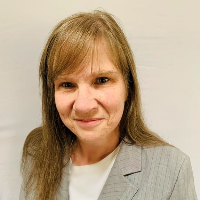
Tarin Bickford
LISW, LCSWOregon · 30 yrs exp
Compassionate clinical social worker with trauma focus
Stress, Anxiety · Addictions · Trauma and abuse · Grief · +15 more
Read profileTherapist listings are provided by BetterHelp. We will earn a commission at no additional cost to you if you sign up through our links.
Compare approaches, focus areas, languages, and professional credentials among therapists who list trauma-focused therapy in the listed location of Oregon. Browse the profiles below to learn more and to identify clinicians you may want to contact.
Before reaching out, check each individual profile and confirm that the clinician is permitted to work with you where you live.
Oregon · 30 yrs exp
Compassionate clinical social worker with trauma focus
Stress, Anxiety · Addictions · Trauma and abuse · Grief · +15 more
Read profile
Oregon · 10 yrs exp
Compassionate therapist who blends evidence-based care
Stress, Anxiety · Self esteem · Depression · Coping with life changes · +12 more
Read profileTrauma-focused therapy is a way of organizing care around the effects of traumatic experiences rather than a single guaranteed method. When you look through profiles you will see therapists describe trauma-focused work in different ways - some emphasize working with memories and emotions tied to events, others focus on coping skills, stabilization, or processing experiences over time. These descriptions indicate an orientation or area of clinical interest, not a promise of a particular outcome.
Because language varies, you may see specific names of approaches mentioned in profiles. When a therapist lists an approach, that is a statement about what they include among their methods; it is not evidence of a formal certification or of suitability for every person. If you are curious about a named approach, ask the therapist to describe what that approach looks like in practice, what types of clients they commonly work with, and how they decide when to use it. If you are in immediate danger or feel unable to keep yourself safe, contact emergency services right away.
The phrase listed location on a profile indicates the jurisdiction the profile is grouped under for search and browsing. It does not necessarily verify where a therapist maintains an office, conducts sessions, or has current permission to practice. You should check the individual profile and confirm directly with the clinician whether they are authorized to provide care in your area or across state lines. This is especially important if you plan to receive care remotely from another state.
Profiles often show academic degrees and may mention professional licenses. Academic degrees such as PhD, PsyD, MD, MA, and MSW describe educational credentials, but a degree alone does not establish current permission to practice. Licenses and registrations are the mechanisms that authorize clinical work in a jurisdiction. When a profile lists a license type, ask for clarification about the license status and the state or jurisdiction in which it is active. Verifying this information helps you know whether a clinician can legally and ethically work with you where you live.
When you contact a clinician, prepare concrete questions that help you compare how they describe trauma-focused care. You might ask what they mean by trauma-focused therapy in their practice, which populations they commonly work with, and how their stated approaches are used in session. Ask whether they have experience with the types of events or symptoms you are concerned about, and inquire how they track progress and assess whether an approach is helping you toward your goals.
It is also reasonable to ask about session structure and what a typical course of work might look like for someone presenting with similar concerns. Ask how they collaborate with other professionals if you have additional providers, and how they approach culturally relevant factors such as language, identity, and background. These questions will help you compare profiles on practical grounds and get a feel for whether a clinician’s style and focus match what you are seeking.
If you are considering remote sessions, confirm with each clinician that they are permitted to provide online care to someone in your jurisdiction. Licensing rules vary by state and can affect whether a clinician may legally work with you across state lines. Before beginning, discuss how they handle emergencies, what local emergency resources they recommend, and what steps you should take if an urgent situation arises. Anyone in immediate danger should contact emergency services without delay.
Discuss practical aspects of remote care such as the technology platform you will use, expectations for interruptions, and how privacy is handled on both ends of the session. Talk about where you will be located during sessions and whether that setting is appropriate for the type of work you plan to do. Clarifying these logistics ahead of time helps you make an informed decision and ensures both you and the clinician understand the boundaries and safety planning involved in remote therapy.
When comparing profiles in Oregon, look beyond single words and read how clinicians describe their focus areas and populations. Focus area labels can indicate common themes the clinician addresses, but they do not guarantee a match for every client. If a profile mentions work with trauma, ask whether they have experience with the specific forms of trauma you are concerned about and how they adapt their approach for different ages or life stages. Remember that a listed topic does not establish that a therapist treats children, couples, or families unless their profile specifically states that scope.
Language accessibility is another concrete factor to compare. Profiles that mention languages spoken can help you find clinicians who communicate in the language you prefer. Also pay attention to how a clinician describes their therapeutic style - whether they emphasize a collaborative approach, structured skill-building, long-term exploration, or short-term problem-solving. Ask about continuing education and professional development in areas relevant to your needs, while keeping in mind that a mention of an approach on a profile is not the same as formal credentialing in that method. By asking direct questions about focus areas, communication, credentials, and style, you can make a clearer comparison between profiles and decide which clinicians you want to contact for an initial conversation.
Throughout your search, keep notes on the questions and answers you receive so you can weigh them alongside practical considerations like location and language. Confirm permission to work together where you live before starting any sessions, and reach out to emergency services if you are in immediate danger. Thoughtful comparison and direct conversation with clinicians will help you find profiles that align with the kind of trauma-focused care you are seeking in Oregon.
Anger
1139 therapists
Depression
1466 therapists
Dissociation
376 therapists
Domestic Violence
672 therapists
Grief
1280 therapists
Guilt and Shame
1191 therapists
Isolation / Loneliness
1087 therapists
Mood Disorders
1033 therapists
Panic Disorder and Panic Attacks
915 therapists
Post-Traumatic Stress
1256 therapists
Self Esteem
1419 therapists
Sleeping Disorders
490 therapists
Social Anxiety and Phobia
1074 therapists
Stress & Anxiety
1527 therapists
Trauma and Abuse
1484 therapists