
Emma Cott
LCMFTKansas · 12 yrs exp
Compassionate therapist who guides practical change
Stress, Anxiety · Relationship · Intimacy-related issues · Depression · +13 more
Read profileTherapist listings are provided by BetterHelp. We will earn a commission at no additional cost to you if you sign up through our links.
On this page you can compare therapists who list trauma-focused therapy and Family of Origin Issues among their focus areas by approach, credentials, languages, and listed location. Browse profiles to read each therapist's described experience, specializations, and communication style to find a potential match for your needs.
Kansas · 12 yrs exp
Compassionate therapist who guides practical change
Stress, Anxiety · Relationship · Intimacy-related issues · Depression · +13 more
Read profile
Georgia · 20 yrs exp
Compassionate counselor helping people move forward
Stress, Anxiety · Addictions · Family · Anger · +13 more
Read profile
Wisconsin · 8 yrs exp
Therapist specializing in trauma and relationships
Relationship · Intimacy-related issues · Coping with life changes · Stress, Anxiety · +8 more
Read profile
Ohio · 18 yrs exp
Practical, trauma-aware counseling with coaching focus
Stress, Anxiety · Trauma and abuse · Grief · Anger · +11 more
Read profile
Ohio · 33 yrs exp
Experienced counselor helping people move forward
Stress, Anxiety · Family · Trauma and abuse · Self esteem · +12 more
Read profile
Illinois · 10 yrs exp
Collaborative counselor helping people move forward
Stress, Anxiety · LGBT · Relationship · Trauma and abuse · +10 more
Read profile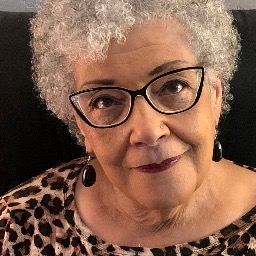
Michigan · 35 yrs exp
Experienced Michigan therapist focused on healing
Stress, Anxiety · Addictions · Trauma and abuse · Self esteem · +3 more
Read profile
Colorado · 11 yrs exp
Grounded trauma-informed therapy with practical steps
Stress, Anxiety · LGBT · Trauma and abuse · Anger · +15 more
Read profile
Michigan · 21 yrs exp
Calm, practical therapy for real-life challenges
Stress, Anxiety · Relationship · Family · Bipolar · +14 more
Read profile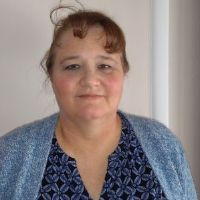
Nebraska · 25 yrs exp
Compassionate therapist focusing on trauma recovery
Stress, Anxiety · Family · Trauma and abuse · Parenting · +12 more
Read profile
Ohio · 17 yrs exp
Practical, compassionate trauma-informed care
Stress, Anxiety · Family · Parenting · Depression · +12 more
Read profile
Michigan · 31 yrs exp
Compassionate trauma-informed social worker
Stress, Anxiety · Family · Trauma and abuse · Self esteem · +16 more
Read profile
Missouri · 35 yrs exp
Expert listener who centers your goals
Stress, Anxiety · Trauma and abuse · Anger · Bipolar · +13 more
Read profile
Kansas · 17 yrs exp
Practical support for stress and trauma recovery
Stress, Anxiety · Relationship · Family · Anger · +10 more
Read profile
Missouri · 23 yrs exp
Compassionate trauma-informed counseling with practical tools
Stress, Anxiety · Relationship · Trauma and abuse · Depression · +9 more
Read profile
Indiana · 11 yrs exp
Collaborative therapy for lasting self-understanding
Stress, Anxiety · Addictions · Trauma and abuse · Parenting · +14 more
Read profile
Illinois · 30 yrs exp
Experienced counselor guiding trauma recovery and family concerns
Family · Trauma and abuse · Grief · Depression · +7 more
Read profile
Illinois · 30 yrs exp
Calm, practical therapy for trauma and life stress
Stress, Anxiety · Relationship · Family · Trauma and abuse · +12 more
Read profile
Wisconsin · 8 yrs exp
Trauma-informed counselor focused on practical growth
Stress, Anxiety · Relationship · Self esteem · Career · +10 more
Read profile
Missouri · 8 yrs exp
Compassionate, practical support for trauma and life changes
Stress, Anxiety · Addictions · LGBT · Trauma and abuse · +15 more
Read profile
Illinois · 18 yrs exp
Trauma-informed counselor focused on practical change
Stress, Anxiety · Addictions · Trauma and abuse · Anger · +12 more
Read profile
Ohio · 14 yrs exp
Compassionate, practical support for life’s hard moments
Stress, Anxiety · Addictions · Relationship · Family · +9 more
Read profile
Missouri · 10 yrs exp
Therapist focused on practical trauma recovery
Stress, Anxiety · Relationship · Family · Self esteem · +12 more
Read profile
Indiana · 29 yrs exp
Compassionate trauma-informed care with experience
Stress, Anxiety · Trauma and abuse · Grief · Sleeping · +9 more
Read profileWhen people talk about family of origin issues they often mean patterns, relationships, events, and expectations that started in the family you grew up with and continue to affect how you relate to others and to yourself. Those issues can include repeated relational patterns, loss and grief tied to family, early boundary violations, or long-standing dynamics that leave you feeling stuck. Not every family difficulty is trauma, and not every trauma stems from family life, so you should approach this topic as a personal history to explore rather than a single diagnosis.
Trauma-focused therapy, as it appears on many profiles, is listed as an approach some clinicians use to address the effects of traumatic experiences. In plain terms, trauma-focused therapy is an orientation that aims to help you process and reduce the ongoing impact of difficult or overwhelming events. That description is not a promise of a specific treatment or outcome. Therapists who list trauma-focused therapy among their approaches may pair it with other frameworks - for example attachment-informed perspectives, psychodynamic work, cognitive-behavioral strategies, or approaches that emphasize bodily experience. The presence of trauma-focused therapy on a profile indicates an area the clinician highlights, not a confirmation of particular certifications, protocols, or guaranteed results.
If you are considering a therapist who highlights trauma-focused work, it helps to know what that approach typically emphasizes in conversation and planning. In practice, a trauma-focused orientation often means the clinician will ask about the events and relationships that continue to shape your responses, and will attend to how those experiences show up in your day-to-day life. Many therapists aim to help you develop strategies for emotional regulation, to reframe difficult memories in ways that reduce distress, and to strengthen patterns of safe relating. How a clinician applies those goals varies widely from one therapist to another.
When you read a profile, look for descriptions that clarify how a therapist approaches trauma-focused work. Does the profile describe working with attachment wounds or intergenerational patterns? Does it mention helping people build coping skills, process memories, or change relational patterns? You can also note whether a clinician lists certain approaches among their toolkit. For instance, some profiles mention EMDR among their approaches; other profiles mention somatic or narrative perspectives. Therapists who list any of these approaches are indicating what they may offer as part of their practice, but a listing does not itself verify training or licensure in a specific protocol. Asking direct questions about how a therapist integrates trauma-focused principles into sessions will give you a clearer sense of fit.
When you contact a therapist or view a profile, prepare specific questions that will help you evaluate their fit for family of origin work. You might ask how they describe their experience with adults who explore family-of-origin patterns, whether they have worked with people from similar cultural or family backgrounds, and what kinds of goals they typically set with clients addressing intergenerational dynamics. It is reasonable to ask whether they work with individuals only or with couples and families, and to clarify that a listed focus area does not automatically mean the therapist provides family or couples therapy.
Be sure to ask about degrees and licensure in separate terms. Academic degrees such as PhD, PsyD, MD, MA, or MSW indicate a level of education, while licenses and registrations indicate legal permission to provide clinical services in a given place. A profile may name degrees you recognize, but you should verify the clinician's current license and whether they are permitted to practice where you are located. You may also want to ask how they approach safety planning, what they consider a typical course of work for family-of-origin concerns, and how they measure progress. These concrete questions will help you compare profiles on substance rather than assumptions.
If you are considering remote sessions, there are practical topics to discuss before your first appointment. Talk with the therapist about how they handle technical disruptions, what platform or tools they use, and what information they provide for remote informed consent. You should also ask where the clinician is licensed to practice, and confirm that they are permitted to work with you in your current jurisdiction. Establishing these boundaries up front avoids misunderstandings and aligns expectations.
It is important to plan for your own environment during remote work. Find a private space where you feel comfortable speaking honestly, and consider what you will do if a session becomes emotionally intense. Ask the clinician how they handle urgent situations and what steps they recommend if you experience a crisis between sessions. Anyone in immediate danger should contact emergency services right away. Clarify with the therapist how they coordinate care if you need referrals to other health professionals, and whether they regularly work with other providers when appropriate. These conversations help you set up practical supports that make remote work safer and more effective for your needs.
Profiles in this directory include a mix of information you can use to compare clinicians, though the presence of a listed focus does not guarantee a particular service. Focus areas may indicate that a therapist pays attention to family of origin material in their practice, while approaches signal the kinds of perspectives they draw on. Languages listed on a profile can be important if you prefer to speak in a language other than English, and noted credentials give you a starting point for verification. Think of each profile as a summary that prompts follow-up questions rather than a full description of scope or method.
When you compare profiles, use direct, specific criteria. Consider whether a clinician mentions working with cultural issues that match your background, whether they emphasize relational or individual work, and whether they describe an orientation that feels compatible with your preferences for more exploratory conversation or more skills-based guidance. Ask whether a therapist describes experience with intergenerational trauma or attachment-focused concerns if that matters to you. Check for information about the therapist's listed location and whether they note the regions or states where they are authorized to practice. Finally, reach out to a few clinicians with focused questions so you can assess tone, communication style, and how they explain their approach in plain language. These comparisons will help you find a clinician whose way of working aligns with the needs you bring to therapy.
Profiles and listings are tools to help you start a conversation. Use the information you find here to prepare questions, verify licensure and permission to practice in your location, and to evaluate whether a therapist's described approach and experience match the priorities you have for addressing family of origin issues. Thoughtful, specific questions and early conversations give you the best chance of finding a constructive fit for the work you want to do.
Alabama
7 therapists
Alaska
1 therapist
Arizona
10 therapists
Arkansas
5 therapists
California
8 therapists
Colorado
11 therapists
District of Columbia
1 therapist
Florida
38 therapists
Georgia
10 therapists
Illinois
233 therapists
Indiana
127 therapists
Iowa
39 therapists
Kansas
57 therapists
Kentucky
5 therapists
Louisiana
5 therapists
Maine
1 therapist
Maryland
2 therapists
Massachusetts
1 therapist
Michigan
241 therapists
Minnesota
86 therapists
Mississippi
3 therapists
Missouri
201 therapists
Montana
2 therapists
Nebraska
40 therapists
New Jersey
4 therapists
New Mexico
5 therapists
New York
5 therapists
North Carolina
9 therapists
North Dakota
6 therapists
Ohio
197 therapists
Oklahoma
10 therapists
Oregon
2 therapists
Pennsylvania
5 therapists
South Carolina
6 therapists
South Dakota
21 therapists
Tennessee
5 therapists
Texas
18 therapists
Utah
2 therapists
Vermont
1 therapist
Virginia
3 therapists
Washington
7 therapists
West Virginia
4 therapists
Wisconsin
136 therapists
Wyoming
3 therapists