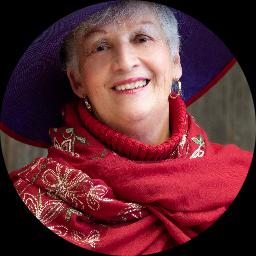
Vicki Marcum
LCSW
Experienced trauma-focused LCSW
- Trauma-focused care
- Client-centered approach
- 40 years experience
About Vicki
She holds two master’s degrees, one in Community Health and one in Social Work. Her background includes work in inpatient psychiatric units, outpatient community mental health, emergency and crisis intervention, and school and community settings. She has experience with adults who have chronic mental illness, case management, and services in child welfare contexts.
Her early sessions emphasize a client-centered stance so that people feel heard and respected. Once a trusting relationship has formed, she shifts to the approaches that fit the issue and the person. That may include Trauma-Focused Therapy, Attachment-Based work, Cognitive Behavioral techniques, or Emotionally-Focused strategies depending on the goal.
Clients can expect a mix of support and challenge. She describes herself as compassionate and sensitive, and she also brings moments that encourage change in beliefs and behaviors. She does not tell people what to do but helps them weigh options and find their own direction.
Her practical experience includes work in emergency rooms, schools, churches, social service agencies, and private practice. She has worked with people across the lifespan and in individual, group, and family therapy settings.
How trauma-focused and attachment work translate online
Trauma-Focused Therapy helps people address upsetting memories and reactions by working at a pace that feels right for them. It is often used for trauma, abuse, and intense responses to past events. Attachment-Based Therapy looks at patterns in relationships and how early connections shape current behavior and feelings, which can help with intimacy, trust, and family-of-origin issues.Finding the right approach is part of the work. The therapist will talk with each person about their goals, strengths, and preferences. Together they decide whether trauma-focused techniques, attachment work, CBT strategies, or emotionally-focused methods make the most sense for the presenting concern.
If you are considering online therapy, confirm the session formats before booking so you know what is offered. Online sessions can make it easier to fit therapy into a busy life, reduce travel time, and allow check-ins that work around work or caregiving schedules. Some formats may be shorter or use only audio to lower bandwidth needs, while others may use video when that helps the therapeutic process. Speak with the therapist about what will best match your needs and daily routine.
These summaries are based on the profile information listed on BetterHelp. Listing trauma-focused therapy does not mean a therapist holds a specific certification such as TF-CBT, EMDR or CPT.
Areas of expertise
Primary focus
Also works with
Additional focus areas
Therapeutic approaches
Experience
40+ years
Credentials
Illinois
Languages
English
Licenses listed
- LCSW, Illinois149008067
- NPI1154494193
As listed on the therapist's profile. You can check a license with the state licensing board and an NPI in the national registry.
Frequently asked questions
What concerns does she commonly address?
Her practice covers stress, anxiety, trauma and abuse, grief, parenting challenges, depression, relationship and family issues, and many related concerns such as body image, codependency, and compassion fatigue.
What is her therapeutic style like?
She begins with a client-centered stance to build trust, then uses approaches that match the issue and the person. Sessions combine listening, practical strategies, and gentle challenge when appropriate.
How many years has she practiced?
She has more than 40 years of clinical experience across inpatient, outpatient, school, and community settings.
Where is she licensed and based?
She is a licensed clinical social worker with an Illinois LCSW and practices in Illinois.
Which languages are supported?
Sessions are offered in English.
Can international clients work with her?
She does not accept international clients at this time.
How are fees and session costs handled?
Cost varies with location and therapist availability; sessions use a subscription that can be canceled at any time.
How do I start a therapy process with her?
Select the Start Therapy button, complete a short matching questionnaire, and schedule according to therapist availability.
Therapists on BetterHelp do not prescribe medication; a doctor can talk with you about medical options. This directory is not a crisis service. If you are in immediate danger, call 911. If you are thinking about suicide, call or text 988.