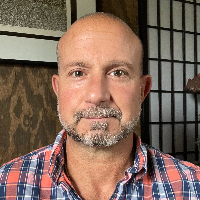
Timothy Welch
LPCC
Collaborative counselor focused on recovery and resilience
- Trauma-informed care
- Addiction recovery
- Practical coping skills
About Timothy
He has long experience addressing addiction and recovery, trauma and loss, depression, anxiety, bipolar concerns, and stress. He also helps with self-esteem, relationship and intimacy struggles, parenting and blended family concerns, ADHD management, and life transitions. His background includes work in rehab settings, crisis intervention, community mental health, and private practice.
In sessions he emphasizes listening without judgment and learning from each person’s story. He uses approaches that include Trauma-Focused Therapy, Client-Centered Therapy, cognitive behavioral techniques, and skills from DBT and emotionally focused methods. The focus is on finding practical steps a person can try between sessions.
He also offers life and sober coaching through a coaching platform and an accompanying app that provide tools, worksheets, and motivation outside therapy sessions. Timothy notes that one approach does not fit everyone, so he aims to tailor work to the person’s needs and preferences.
Timothy works from Ohio and communicates in English. The first steps are a brief matching questionnaire and then scheduling according to his availability. He encourages an open, problem-solving approach and hopes to help people regain direction and resilience.
Therapeutic approaches and online care
Trauma-Focused Therapy concentrates on understanding and processing past hurt so it impacts daily life less. It often includes talking through memories, learning grounding strategies, and practicing new ways to respond to triggers.Client-Centered Therapy focuses on a respectful, accepting relationship. The therapist listens, reflects, and helps a person identify their own solutions and goals.
Cognitive Behavioral Therapy, or CBT, looks at unhelpful thinking and behavior patterns and teaches concrete skills to change them. It is often used for anxiety, depression, and stress-related problems.
Choosing the right approach is part of the work. The therapist will collaborate with each person to pick methods that fit their goals, needs, and comfort level. That process can include adjusting techniques as progress is made.
Timothy has an established telehealth practice, but session formats should be confirmed before booking. Online work can make it easier to fit sessions into a busy schedule, allow shorter check-ins when needed, and reduce travel time. It also supports following up on coping skills between meetings and keeping continuity of care when circumstances change.
These summaries are based on the profile information listed on BetterHelp. Listing trauma-focused therapy does not mean a therapist holds a specific certification such as TF-CBT, EMDR or CPT.
Areas of expertise
Primary focus
Also works with
Additional focus areas
Therapeutic approaches
Experience
22+ years
Credentials
Ohio
Languages
English
Licenses listed
- LPCC, OhioE.0004200-SUPV
- NPI1437242310
As listed on the therapist's profile. You can check a license with the state licensing board and an NPI in the national registry.
Frequently asked questions
What concerns does Timothy commonly address?
He helps people with stress, anxiety, depression, addictions, trauma and abuse, grief, bipolar challenges, ADHD, relationship and family-related issues, and a wide range of related struggles.
What is his typical therapy style?
He takes a collaborative, client-centered approach and blends practical tools from cognitive behavioral work, DBT skills, emotionally focused ideas, and trauma-focused strategies to fit each person.
How much clinical experience does he have?
He has 22 years of experience across private practice, community mental health, crisis intervention, rehabilitation settings, and group work.
What credentials and region are associated with this therapist?
He holds the LPCC credential and practices in Ohio.
Which languages and international arrangements are supported?
Sessions are offered in English and he accepts international clients.
What session formats are available for appointments?
The original biography notes a telehealth practice; please confirm current session options before booking to match your needs.
How does payment and cost work?
Cost varies with location and therapist availability; sessions use a subscription that can be canceled at any time.
How do I begin working with him?
Click the Start Therapy button, complete a short matching questionnaire, and then schedule according to therapist availability.
Therapists on BetterHelp do not prescribe medication; a doctor can talk with you about medical options. This directory is not a crisis service. If you are in immediate danger, call 911. If you are thinking about suicide, call or text 988.