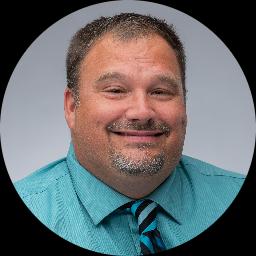
Mark Panasiewicz
LMSW
Solution-focused therapist with trauma experience
- Direct and practical
- Trauma-informed care
- LMSW clinician
About Mark
In sessions he combines practical tools with focused conversation. He often uses cognitive behavioral techniques alongside motivational interviewing to help people notice patterns and try different behaviors. He also draws on Trauma-Focused Therapy methods when addressing past harm and abuse.
Mark has worked with people affected by physical trauma, emotional abuse, and domestic violence. He has a background serving veterans from his time in the United States Air Force and has experience addressing issues common to that community. He has spent much of his practice supporting people with substance use challenges.
His approach is tailored to each person’s needs. Initial sessions typically focus on understanding current struggles and setting clear, achievable goals. From there he uses structured exercises and conversational techniques to build skills for managing emotions, improving communication, and changing unhelpful habits.
People who prefer a direct, practical therapist may find his style a good match. He encourages collaborative work and will adjust strategies to fit what a person wants to change and how they prefer to approach it.
Approaches you may try in online sessions
Trauma-Focused Therapy focuses on addressing the effects of past harm and abuse. It involves talking through difficult experiences at a pace that feels manageable and using strategies to reduce distressing memories and reactions.Acceptance and Commitment Therapy, or ACT, helps people notice painful thoughts and feelings without getting stuck in them. It emphasizes identifying personal values and taking small actions that move someone toward a more meaningful life.
Client-Centered Therapy centers on listening and creating an accepting space. It gives people room to reflect and arrive at their own insights while the therapist offers empathy and support.
Deciding which approach to use is a collaborative process. The therapist will discuss goals, preferences, and what feels most useful, then adapt methods as work progresses. Clients are encouraged to give feedback so the plan fits their needs.
Confirm the current session options before booking since formats are not listed in the biography. Online therapy can make it easier to fit sessions into a busy schedule, shorten travel time, and allow for quick check-ins when needed. Some approaches translate well to virtual work, while others may be mixed with in-person meetings depending on what the therapist and client arrange.
These summaries are based on the profile information listed on BetterHelp. Listing trauma-focused therapy does not mean a therapist holds a specific certification such as TF-CBT, EMDR or CPT.
Areas of expertise
Primary focus
Also works with
Additional focus areas
Therapeutic approaches
Experience
10+ years
Credentials
Michigan
Languages
English
Licenses listed
- LMSW, Michigan6801096888
- NPI1225426695
As listed on the therapist's profile. You can check a license with the state licensing board and an NPI in the national registry.
Frequently asked questions
What kinds of problems does Mark help with?
He works with stress, anxiety, depression, trauma and abuse, relationship and intimacy concerns, addiction, grief, parenting and sleeping problems, and a range of other life challenges.
What is his general therapy style?
Sessions are direct and to the point, with a focus on practical strategies and clear goals. He combines structured techniques and open dialogue to help people make changes.
What experience does he bring to sessions?
He has ten years of clinical experience and has worked with people affected by substance use, domestic violence, and trauma. He also has experience with veteran clients from his U.S. Air Force background.
What credentials and location are listed?
He is a Licensed Master Social Worker, LMSW, practicing in Michigan.
Can I work with him if I live outside the U.S.?
Sessions are offered in English and he does accept international clients, though local regulations may affect cross-border care.
What session formats are available?
The biography does not list specific session formats; please confirm current online or in-person options before booking.
How are fees handled?
Cost varies with location and therapist availability, and sessions use a subscription that can be canceled at any time.
How do I begin working with him?
Select the Start Therapy button, complete a short matching questionnaire, and schedule according to therapist availability.
Therapists on BetterHelp do not prescribe medication; a doctor can talk with you about medical options. This directory is not a crisis service. If you are in immediate danger, call 911. If you are thinking about suicide, call or text 988.