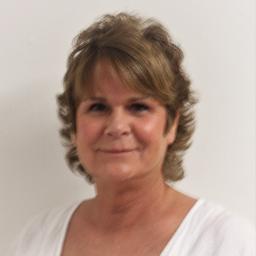
Suzanne Baer
LCPC
Compassionate therapist focused on trauma recovery
- Trauma-informed
- Client-centered
- Practical skills
About Suzanne
Before working in private practice she spent time in inpatient drug and alcohol treatment, sexual abuse counseling, and community mental health settings. That range of experience shaped how she responds to crises and long-term concerns alike. She aims to meet each person where they are and focus on steps that fit their life.
Suzanne draws from client-centered methods so conversations stay focused on the person in the room. She also uses cognitive behavioral techniques to help shift unhelpful thinking and Dialectical Behavior Therapy skills for emotion regulation when needed. Trauma-Focused Therapy and mindfulness practices are part of her approach when trauma and chronic stress are central concerns.
Sessions are collaborative and paced to the client’s needs. Suzanne describes her style as compassionate, interactive, and motivational. She will encourage, challenge, and support practical change without jargon.
To begin, she asks people to complete a short matching questionnaire and schedule based on availability. The goal is to create clear steps forward, whether working through grief, addiction, relationship strain, or long-standing mood and anxiety concerns.
How Suzanne's approaches translate to online work
Online sessions can use Trauma-Focused Therapy to gently process past harm, focusing on grounding, pacing, and skills that reduce overwhelm. This approach is often used when trauma and abuse are central concerns and when people need ways to manage triggers between sessions.Client-Centered Therapy in an online setting means conversations are led by the person's goals and experiences. The therapist listens, reflects, and helps people make sense of what matters to them in day-to-day life. Cognitive Behavioral Therapy (CBT) offers structured tools online to identify unhelpful thoughts and practice different ways of responding to stress and anxiety.
Choosing the right approach is a collaborative process. The therapist will work with each person to identify needs, goals, and preferences, then try methods that fit those priorities. Adjustments are made along the way based on what helps most.
The biography does not list specific session formats, so confirm available options before booking. Online work can make it easier to fit sessions into a busy schedule, shorten check-ins when needed, and use exercises between meetings. Licensed professionals can adapt trauma-focused and skill-based methods for remote sessions, aiming to keep each meeting practical and focused on progress.
These summaries are based on the profile information listed on BetterHelp. Listing trauma-focused therapy does not mean a therapist holds a specific certification such as TF-CBT, EMDR or CPT.
Areas of expertise
Primary focus
Additional focus areas
Therapeutic approaches
Experience
22+ years
Credentials
Illinois
Languages
English
Licenses listed
- LCPC, Illinois180.007079
- NPI1912642174
As listed on the therapist's profile. You can check a license with the state licensing board and an NPI in the national registry.
Frequently asked questions
What concerns does Suzanne address?
She works with stress, anxiety, addictions, trauma and abuse, grief, and depression. Additional focus areas include relationship and attachment struggles, body image, chronic illness, and separation issues.
How would you describe her therapy style?
Her style is genuine, compassionate, and interactive. Sessions focus on practical steps, skills practice, and tailored conversations.
What experience does she bring to sessions?
She has 22 years of experience working as a therapist, mentor, and life coach in settings such as inpatient addiction treatment, sexual abuse counseling, and community mental health.
What credentials and location are listed?
She holds the LCPC credential and practices in Illinois.
Which languages are supported and can international clients work with her?
Sessions are offered in English. International clients are not currently accepted.
What session formats are available?
The original biography does not specify session formats, so confirm current options before booking to know whether sessions are in person, by video, or by phone.
How is cost handled for therapy?
Cost varies with location and therapist availability. Sessions use a subscription that can be canceled at any time.
What should someone do to get started?
Click the Start Therapy button, complete a short matching questionnaire, and schedule according to therapist availability.
Therapists on BetterHelp do not prescribe medication; a doctor can talk with you about medical options. This directory is not a crisis service. If you are in immediate danger, call 911. If you are thinking about suicide, call or text 988.