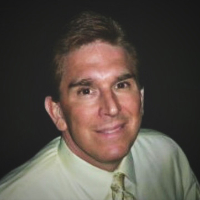
Steve Scarborough
LPC
Healing practical skills for life changes
- Trauma-informed approach
- Values-based work
- Action focused
About Steve
Steve uses a trauma-focused lens alongside several therapy methods to guide sessions. He draws on Acceptance and Commitment Therapy and Cognitive Behavioral Therapy to help people notice unhelpful thoughts and build workable habits. Attachment-based and client-centered ideas shape how he addresses relationship patterns and emotional safety in the room.
Sessions aim to be practical and goal-oriented. Steve tends to break problems into manageable steps and works with each person to set realistic actions between meetings. He also uses techniques that focus on how past experiences affect current behavior and relationships.
Steve has a background treating co-occurring concerns and brings experience working with people facing addiction and trauma together. He emphasizes clear, direct communication and values helping people reconnect with their priorities and values.
His approach balances structured tools with space for people to tell their story. The work often includes learning new coping skills, practicing emotional awareness, and planning small changes that can make daily life feel more manageable.
How therapeutic approaches translate to online work
Trauma-Focused Therapy looks at how past distress affects current feelings and reactions and focuses on practical ways to reduce overwhelming responses and improve daily functioning. It can help people who have experienced abuse, loss, or repeated stressors and want tools to feel steadier day to day.Acceptance and Commitment Therapy, or ACT, helps people notice unhelpful thoughts, clarify personal values, and take small steps toward a more meaningful life. It is often used for anxiety, stress, and mood concerns where avoidance and worry get in the way.
Attachment-Based Therapy pays attention to how early relationships shape present patterns. This approach can be useful for people wanting to change how they relate to partners, cope with abandonment fears, or improve emotional connection.
Finding the right approach is part of the work. The therapist will collaborate with each person to choose methods that match their goals and preferences. That choice can shift as progress is made and new needs appear.
Online sessions can make it easier to fit therapy into a busy week and reduce travel time. Because session formats are not specified here, confirm which options are offered before booking. People often find remote sessions helpful for brief check-ins, weekly therapy, or when scheduling around work and family demands.
These summaries are based on the profile information listed on BetterHelp. Listing trauma-focused therapy does not mean a therapist holds a specific certification such as TF-CBT, EMDR or CPT.
Areas of expertise
Primary focus
Also works with
Additional focus areas
Therapeutic approaches
Experience
10+ years
Credentials
Missouri
Languages
English
Licenses listed
- LPC, Missouri2018025879
- NPI1659954048
As listed on the therapist's profile. You can check a license with the state licensing board and an NPI in the national registry.
Frequently asked questions
What concerns does this therapist address?
He supports people with trauma and abuse, addictions, anxiety, depression, relationship and intimacy issues, parenting stress, grief, and related problems such as ADHD, anger, and career difficulties.
How would you describe his therapeutic style?
His style is practical and collaborative, focusing on clear steps and skills people can use between sessions to manage emotions and change behaviors.
What is his clinical background?
He has ten years of clinical experience and experience working with co-occurring addiction and trauma concerns.
What credentials and location are listed?
He holds the LPC credential and practices in Missouri.
Which languages are supported for sessions?
Sessions are offered in English.
Can international clients be seen?
International clients are not currently accepted.
How are costs handled for sessions?
Cost varies with location and therapist availability; sessions use a subscription that can be canceled at any time.
What are the steps to begin working together?
Use the Start Therapy button, complete a short matching questionnaire, and then schedule sessions according to the therapist's availability.
Therapists on BetterHelp do not prescribe medication; a doctor can talk with you about medical options. This directory is not a crisis service. If you are in immediate danger, call 911. If you are thinking about suicide, call or text 988.