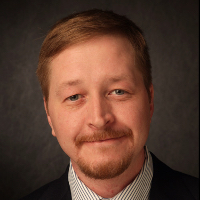
Ryan Suhr
LMHC, LIMHP
Calm guidance for real-life change
- Goal focused
- Trauma informed
- Practical steps
About Ryan
Ryan draws on training in philosophy, psychology, religion, and linguistics to shape his sessions. He uses clear, practical language to help people name what matters and decide on next steps. Sessions center on what the client wants to change and how to get there, not on jargon or abstract theory.
People come to him with many concerns, including stress, anxiety, depression, trauma and abuse, addictions, grief, intimacy and relationship issues, parenting strains, ADHD, and career decisions. He also addresses less common areas such as attachment concerns, adoption and foster care matters, kink and alternative sex culture questions, and compassion fatigue.
In therapy, Ryan combines Trauma-Focused Therapy with approaches like Attachment-Based Therapy and Cognitive Behavioral Therapy when appropriate. He describes himself as collaborative and client-centered, helping people weigh options and try small experiments between sessions.
Sessions typically involve talking, identifying patterns, and practicing concrete skills for managing emotions and behavior. He helps people translate insight into everyday changes, whether that means communication adjustments, coping strategies, or steps toward a vocational or personal goal.
How therapy approaches translate to online work
Trauma-Focused Therapy focuses on what happened and on helping a person manage the impacts of those events. It often includes building safety, understanding how trauma affects thoughts and feelings, and practicing ways to respond differently in stressful moments.Attachment-Based Therapy looks at how relationships shape expectations and reactions. It helps people notice recurring patterns in how they connect with others and try new ways of relating that feel more satisfying.
Client-Centered Therapy centers the person's experience and priorities. Sessions follow the client's lead, with the therapist offering reflection and supportive feedback to help the person clarify goals and make decisions.
Finding the right approach is part of the work. Ryan will talk with the client about their needs, goals, and preferences and will suggest which methods to try. That choice is collaborative and can change over time based on what actually helps.
Confirm current session options before booking so you know how meetings are held. Many people find online therapy helps fit sessions into a busy life - it can save travel time, allow easier scheduling around work or family, and make follow-up check-ins simpler. Discuss with Ryan how to structure sessions to fit daily routines and goals.
These summaries are based on the profile information listed on BetterHelp. Listing trauma-focused therapy does not mean a therapist holds a specific certification such as TF-CBT, EMDR or CPT.
Areas of expertise
Primary focus
Also works with
Additional focus areas
Therapeutic approaches
Experience
10+ years
Credentials
Nebraska, Nebraska, Washington
Languages
English
Licenses listed
- LIMHP, Nebraska357
- LMHP, Nebraska3282
- LMHC, WashingtonLH61549149
- NPI1699837617
As listed on the therapist's profile. You can check a license with the state licensing board and an NPI in the national registry.
Frequently asked questions
What kinds of issues does Ryan address?
He works with stress, anxiety, depression, trauma and abuse, addictions, grief, relationship and intimacy concerns, parenting challenges, ADHD, and related areas listed in his profile.
What is his therapeutic style like?
Sessions are collaborative and client-centered, with a focus on setting goals and trying practical steps between meetings.
How much experience does he have?
He has ten years of experience providing counseling and related services.
Which credentials and location apply to his practice?
He holds LMHC and LIMHP credentials and is based in Nebraska.
Which languages are supported and can he work with international clients?
Sessions are offered in English and he accepts international clients.
What session formats are available?
The original biography does not list specific session formats; please confirm current session options before booking.
How does payment and cost work?
Cost varies with location and the therapist's arrangements; sessions use a subscription that can be canceled at any time.
How do I get started with therapy?
Use the Start Therapy button, complete a short matching questionnaire, and schedule according to the therapist's availability.
Therapists on BetterHelp do not prescribe medication; a doctor can talk with you about medical options. This directory is not a crisis service. If you are in immediate danger, call 911. If you are thinking about suicide, call or text 988.