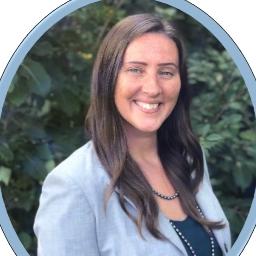
Rachel Jones
LPC
Experienced counselor focused on trauma recovery
- Trauma-informed care
- Evening appointments
- Client-centered approach
About Rachel
Rachel aims for a straightforward, down-to-earth approach. She listens first and works with each person to set practical goals. Sessions focus on what matters most now, whether that is managing stress, coping with trauma, or handling relationship and parenting challenges.
Her work includes Trauma-Focused Therapy alongside client-centered care and cognitive behavioral approaches. Rachel also uses mindfulness and motivational interviewing techniques to help people notice patterns, build new habits, and take small steps toward change. She describes her style as culturally aware and trauma-informed.
She helps people address anxiety, depression, grief, compassion fatigue, and issues around addiction and self-esteem. Rachel also supports people dealing with adoption and foster care concerns, blended family issues, caregiver stress, codependency, and family of origin problems.
Sessions are scheduled in evening hours on Central Standard Time to accommodate nontraditional schedules. Rachel conducts sessions in English and does not accept international clients. To begin, visitors use the Start Therapy button and complete a short matching questionnaire before scheduling.
How trauma-focused and practical approaches work online
Trauma-Focused Therapy concentrates on the effects of traumatic events and on building coping skills to reduce distress. It helps people process difficult memories and learn ways to manage triggers and overwhelming feelings.Client-Centered Therapy centers sessions on the person's own goals and experience. The therapist listens carefully, reflects what is happening, and supports the person in making decisions that feel right for them.
Cognitive Behavioral Therapy (CBT) looks at how thoughts, feelings, and behaviors interact. It uses simple exercises and small experiments to change unhelpful patterns and to develop more effective responses to stress and anxiety.
Finding the right approach is part of the work. The therapist will collaborate with each person to choose methods that match their goals, needs, and preferences. That choice can shift as progress is made and different challenges come up.
Confirm the session formats before booking, since the profile does not list specific options. Online therapy can make it easier to fit sessions into busy evenings and to have regular contact without added travel. It can also allow shorter check-ins when time is limited, or let people pause video and use audio if that helps them focus. Licensed professionals can adapt these approaches to work effectively over distance, while keeping sessions practical and goal-oriented.
These summaries are based on the profile information listed on BetterHelp. Listing trauma-focused therapy does not mean a therapist holds a specific certification such as TF-CBT, EMDR or CPT.
Areas of expertise
Also works with
Additional focus areas
Therapeutic approaches
Experience
13+ years
Credentials
Missouri
Languages
English
Licenses listed
- LPC, Missouri2010001242
- NPI1740586528
As listed on the therapist's profile. You can check a license with the state licensing board and an NPI in the national registry.
Frequently asked questions
What kinds of concerns does this therapist help with?
Rachel works with stress, anxiety, trauma and abuse, grief, depression, compassion fatigue, addictions, relationship and family issues, parenting concerns, self-esteem, career matters, ADHD, and related topics.
How would you describe the therapeutic style?
Her style is client-centered and trauma-informed, using practical strategies from cognitive behavioral therapy, mindfulness, and motivational interviewing to set goals and build new habits.
What background and experience does she have?
She holds a masters degree in Educational, School and Counseling Psychology and has 13 years of direct therapy experience within a 17-year mental health career that includes supervisory and director roles.
Where is the therapist licensed and based?
She is a Licensed Professional Counselor (LPC) practicing in Missouri and holds degrees from the University of Missouri-Columbia.
Which languages are supported?
Sessions are offered in English only and international clients are not accepted at this time.
What session formats are available?
Please confirm current session options before booking, as the therapist's original profile does not specify which formats are offered.
How is cost handled for sessions?
Cost varies with location and therapist availability; sessions use a subscription model that can be canceled at any time.
What are the steps to begin working together?
Click the Start Therapy button, complete a short matching questionnaire, and schedule according to the therapists availability.
Therapists on BetterHelp do not prescribe medication; a doctor can talk with you about medical options. This directory is not a crisis service. If you are in immediate danger, call 911. If you are thinking about suicide, call or text 988.