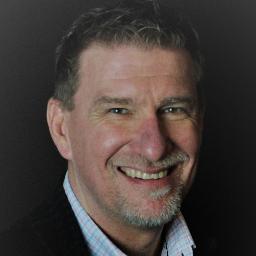
Michael Cotter
LPC
Practical, nonjudgmental help for trauma and addiction
- Trauma-focused care
- Addiction support
- Goal-oriented work
About Michael
He uses practical, goal-focused work in sessions. That includes client-centered and solution-focused conversations that look for steps people can try between meetings. Cognitive Behavioral Therapy (CBT) tools are used to spot unhelpful thoughts and test new behaviors. He also draws on Trauma-Focused Therapy and EMDR when trauma symptoms are a central concern.
Michael describes his style as straightforward and supportive. He aims to make the room a place where people can talk about what feels hardest, try small experiments, and adjust plans as progress happens. He talks in plain terms and focuses on useful next steps rather than jargon.
His background includes work in addictions and related problems such as depression, bipolar symptoms, and family conflict. He brings three years of post-licensure counseling experience as a Licensed Professional Counselor in Missouri and additional years of earlier helping roles.
People often come for help with specific issues like substance use, codependency, or grief, and for broader concerns like low self-esteem, anger, or compassion fatigue. Michael is available to discuss whether his approach feels like a fit for a person's goals and circumstances.
How trauma-focused and client-centered approaches work online
Trauma-Focused Therapy helps people process painful events and reduce their everyday impact. In plain terms this can mean talking through memories at a pace that feels manageable, learning ways to calm strong reactions, and building skills to feel steadier in daily life.Client-Centered Therapy centers on the person's goals and experience. The therapist listens closely, reflects what he hears, and helps people set and test small, workable goals that match their values and needs.
Cognitive Behavioral Therapy (CBT) provides concrete tools to notice unhelpful thoughts and try alternative actions. It often includes short exercises or experiments between sessions to see what changes behavior or mood.
Choosing an approach is a collaborative process. The therapist will discuss options, try techniques together, and adapt the plan to fit the client's needs, goals, and preferences. That means approaches can change over time as progress or priorities shift.
For practical online arrangements, confirm which session formats are available before scheduling because the profile does not list specific formats. Online work can make it easier to fit appointments into a busy week, shorten check-ins when needed, and avoid travel time. It also lets clients use tools like guided breathing exercises, worksheets, and in-session demonstrations that support ongoing work between meetings.
These summaries are based on the profile information listed on BetterHelp. Listing trauma-focused therapy does not mean a therapist holds a specific certification such as TF-CBT, EMDR or CPT.
Areas of expertise
Primary focus
Also works with
Additional focus areas
Therapeutic approaches
Experience
3+ years
Credentials
Missouri
Languages
English
Licenses listed
- LPC, Missouri2017023723
- NPI1013427657
As listed on the therapist's profile. You can check a license with the state licensing board and an NPI in the national registry.
Frequently asked questions
What concerns does this therapist help with?
He supports people dealing with stress, anxiety, addictions, trauma and abuse, depression, parenting strain, relationship and family issues, grief, intimacy issues, anger, self-esteem, career transitions, bipolar symptoms, ADHD, and related concerns.
How would you describe his therapeutic style?
Sessions are client-centered and practical, focusing on clear steps and problem solving. He aims to be direct, supportive, and nonjudgmental while helping clients try new strategies between sessions.
What experience and background does he bring?
He has three years of experience as a Licensed Professional Counselor and earlier paraprofessional experience working with people in helping roles, with a strong background in addiction work and related issues.
What credentials and location apply?
He holds the LPC credential (Licensed Professional Counselor) and practices in Missouri.
Which languages are supported and are international sessions available?
Sessions are offered in English. International clients are not currently accepted.
What session formats are offered?
Please confirm current session formats before booking, as the profile does not specify which formats are offered.
How are costs handled for therapy?
Cost varies with location and therapist availability; sessions use a subscription model that can be canceled at any time.
How do I get started if I want to work with him?
Select the Start Therapy button, complete the short matching questionnaire, and schedule according to the therapist's availability.
Therapists on BetterHelp do not prescribe medication; a doctor can talk with you about medical options. This directory is not a crisis service. If you are in immediate danger, call 911. If you are thinking about suicide, call or text 988.