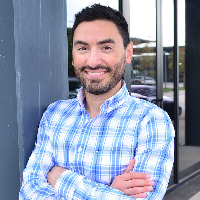
Lucas Streets
LCPC, LPC
Compassionate, goal-focused help for tough problems
- Trauma informed
- Action oriented
- Practical skills
About Lucas
Streets works with a wide range of concerns including stress, anxiety, trauma and abuse, depression, relationship and family matters, grief, parenting strains, sleep problems, anger, self-esteem, career challenges, ADHD, and compassion fatigue. He also addresses issues such as codependency, communication problems, dissociation, and feelings of emptiness.
His counseling style is energetic, motivating, and encouraging, and he can be direct when a focused approach is needed. He uses Cognitive Behavioral Therapy, Trauma-Focused Therapy, mindfulness-based techniques, Motivational Interviewing, and Solution-Focused Therapy to shape conversations and goals. Treatment is tailored so sessions match each person’s situation and priorities.
Sessions are intended to be respectful and straightforward. Streets emphasizes collaboration - working together to discover practical answers that fit daily life. He frames progress in concrete steps rather than abstract promises.
Lucas keeps language plain and actions focused. If you are weighing therapy for a specific stressor, emotional struggle, or life change, he supports finding a clear path forward and helps you build the skills to manage what comes next.
How his approaches translate to online work
Trauma-Focused Therapy helps people address past hurts by naming what happened, learning how it affects daily life, and practicing ways to feel safer and more in control. It is often used when trauma or abuse is part of the problem and the goal is to reduce overwhelming reactions and build coping skills.Cognitive Behavioral Therapy, or CBT, looks at how thoughts, feelings, and behaviors interact. Sessions focus on identifying unhelpful thinking patterns and trying out small behavior changes to reduce anxiety, depression, or sleep problems.
Mindfulness Therapy teaches simple attention and breathing practices to reduce stress and improve focus. These techniques are useful for anxiety, anger, and for managing strong emotions in the moment.
Finding the right approach is part of the work. The therapist will talk with each person about goals and preferences, then suggest which methods to try first. That decision is shared and can change as progress is made.
If you are considering online sessions, confirm the specific session options before booking. Online work can make scheduling easier, allow shorter check-ins when life is busy, and remove the need to travel to appointments. Many people find it simpler to fit regular sessions into a weekly routine when they can join remotely, and the same practical therapy aims apply whether sessions are in person or online.
These summaries are based on the profile information listed on BetterHelp. Listing trauma-focused therapy does not mean a therapist holds a specific certification such as TF-CBT, EMDR or CPT.
Areas of expertise
Primary focus
Also works with
Additional focus areas
Therapeutic approaches
Experience
15+ years
Credentials
Oklahoma, Kansas, Missouri
Languages
English
Licenses listed
- LPC, OklahomaLPC05030
- LCPC, KansasLCPC 2859
- LPC, Missouri2025047801
- NPI1154626539
As listed on the therapist's profile. You can check a license with the state licensing board and an NPI in the national registry.
Frequently asked questions
What kinds of concerns does he help with?
He works with stress, anxiety, trauma and abuse, depression, relationship and family matters, grief, parenting struggles, sleep issues, anger, self-esteem challenges, career problems, ADHD, and related concerns.
What is his therapeutic style like?
His style is energetic, motivating, and encouraging with a willingness to be direct when needed. Sessions focus on practical steps and collaborative goal-setting.
How much experience does he have?
He has 15 years of experience working with people facing a broad range of emotional and life challenges.
What credentials and region are associated with this therapist?
He holds LCPC and LPC credentials and practices in Kansas.
Which languages are supported for sessions?
Sessions are offered in English.
Can people outside the United States work with him?
He is not accepting international clients at this time.
How are fees and payments handled?
Cost varies with location and therapist availability; sessions use a subscription that can be canceled at any time.
How do I begin therapy with him?
Use the Start Therapy button, complete a short matching questionnaire, and schedule according to therapist availability.
Therapists on BetterHelp do not prescribe medication; a doctor can talk with you about medical options. This directory is not a crisis service. If you are in immediate danger, call 911. If you are thinking about suicide, call or text 988.