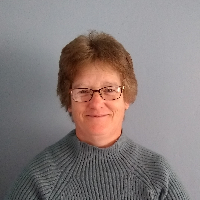
Lisa Draper
LPC
Compassionate guidance for people facing trauma and stress
- Trauma-informed approach
- Practical coping skills
- Values-based work
About Lisa
Lisa uses a mix of approaches to match each person’s needs. She draws on Trauma-Focused Therapy when past events are causing ongoing distress. She also uses Acceptance and Commitment Therapy and Client-Centered and Cognitive Behavioral techniques to help people notice thoughts, choose values-based actions, and practice new skills.
Her experience includes work with adults affected by substance use concerns, often alongside depression, anxiety, or traumatic histories. She also supports people coping with grief, caregiving stress, chronic illness, relationship struggles, anger, sleep problems, and life transitions. Lisa describes therapy as a journey she takes with clients rather than directing them from ahead or pushing from behind.
Clients can expect a collaborative, down-to-earth approach. Sessions tend to focus on real-life steps, such as building routines, practicing coping skills, and making choices that reflect what matters most. Lisa draws on her lived experience in military and emergency roles to offer empathy for people who have faced intense situations.
She works in Michigan and offers services in English. People who want to begin are invited to use the site’s Start Therapy button to complete a short questionnaire and schedule according to availability.
How therapy approaches shape online work
Trauma-Focused Therapy focuses on addressing the ways past events continue to affect daily life. It often involves gently processing memories and building skills to reduce distress when reminders appear. Acceptance and Commitment Therapy, or ACT, helps people clarify what matters to them and take small actions toward those values while learning to live with difficult thoughts and feelings.Finding the right approach is part of the work. The therapist will collaborate with each person to decide which methods fit their goals and preferences. That might mean combining elements from Trauma-Focused Therapy and ACT, or using cognitive behavioral tools to practice new behaviors between sessions.
The biography does not specify which session formats are offered, so confirm available options before booking. Many people find online sessions helpful because they make it easier to fit therapy into a busy day, allow shorter check-ins when needed, and remove travel time. Therapists can guide skill practice, paced processing of difficult memories, and value-based goal setting in remote sessions, adapting techniques to each person’s circumstances rather than promising a specific format.
These summaries are based on the profile information listed on BetterHelp. Listing trauma-focused therapy does not mean a therapist holds a specific certification such as TF-CBT, EMDR or CPT.
Areas of expertise
Primary focus
Also works with
Additional focus areas
Therapeutic approaches
Experience
7+ years
Credentials
Michigan, South Carolina
Languages
English
Licenses listed
- LPC, Michigan6401018352
- LPC, South Carolina12166
- NPI1477079564
As listed on the therapist's profile. You can check a license with the state licensing board and an NPI in the national registry.
Frequently asked questions
What concerns does Lisa help with?
She works with stress, anxiety, depression, addictions, trauma and abuse, grief, sleep and anger issues among other concerns listed in her specialties.
How would you describe her therapeutic style?
Her style is collaborative and down-to-earth. Sessions focus on practical steps, coping skills, and choosing actions that match a person’s values.
What is her clinical background?
Lisa has seven years of counseling experience and several years working with adults affected by substance use concerns alongside mood and trauma-related issues.
What credentials and location apply to this therapist?
She is a licensed professional counselor with Michigan licensure listed as LPC and practices from Michigan.
Which languages are supported and can international clients work together?
Sessions are offered in English and she accepts international clients.
What session formats are available?
The original biography does not list specific session formats; please confirm the current session options before booking.
How does payment and cost work?
Cost varies with location and therapist availability, and sessions use a subscription model that can be canceled at any time.
How do I get started with a first session?
Use the Start Therapy button, complete a short matching questionnaire, and schedule according to therapist availability.
Therapists on BetterHelp do not prescribe medication; a doctor can talk with you about medical options. This directory is not a crisis service. If you are in immediate danger, call 911. If you are thinking about suicide, call or text 988.