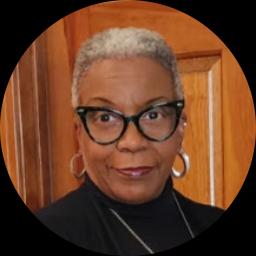
Laurie Jolly
LMSW
Trauma-informed, strength-based support
- Trauma-focused approach
- Strengths-based care
- Practical coping skills
About Laurie
Laurie believes clients are the experts on their own lives. She listens carefully and offers clear guidance that fits each person's situation. In sessions she helps people name problems, find coping strategies, and build on existing strengths.
Her work covers a wide range of concerns, including stress, anxiety, depression, trauma and abuse, relationship and intimacy issues, parenting and family strain, and substance-related problems. Laurie also addresses mood concerns such as bipolar disorder, panic, and personality-related struggles. Additional focuses include attachment issues, blended family dynamics, caregiver stress, and veteran and armed forces issues.
Laurie uses several approaches to match what each person needs. These include trauma-focused therapy, Acceptance and Commitment Therapy (ACT), attachment-based methods, client-centered work, and cognitive behavioral strategies. She encourages practical steps between sessions and helps people test what works for them.
People who choose Laurie can expect a calm, supportive setting and straightforward conversation about goals and next steps. She frames therapy as a collaborative process and helps clients plan realistic changes that fit their lives.
How Trauma-Focused and ACT Approaches Work Online
Trauma-focused therapy helps people process and reduce the impact of past upsetting events. It often involves careful pacing, grounding techniques, and practicing new ways of responding to triggers so daily life feels more manageable.Acceptance and Commitment Therapy, or ACT, focuses on noticing thoughts and feelings without getting stuck in them. It encourages commitment to meaningful actions aligned with personal values and teaches skills for coping with difficult emotions.
Attachment-based methods look at how early relationships shape expectations and reactions in current relationships. This approach helps people understand patterns and try new ways of relating to others.
Finding the right method is part of the work. Laurie will talk with clients about their needs, goals, and preferences and help choose or blend approaches. The decision is collaborative and can change as therapy progresses.
The practical benefits of online therapy include easier scheduling and more flexibility to fit sessions into busy days. Online work can reduce travel time and make it simpler to have follow-up conversations between appointments. The biography does not specify which session formats are offered, so confirm current options before booking. Many people find that remote sessions let them practice skills in everyday settings and keep momentum between meetings.
These summaries are based on the profile information listed on BetterHelp. Listing trauma-focused therapy does not mean a therapist holds a specific certification such as TF-CBT, EMDR or CPT.
Areas of expertise
Primary focus
Also works with
Additional focus areas
Therapeutic approaches
Experience
38+ years
Credentials
Michigan
Languages
English
Licenses listed
- LMSW, Michigan6801064775
- NPI1700757267
As listed on the therapist's profile. You can check a license with the state licensing board and an NPI in the national registry.
Frequently asked questions
What kinds of concerns does Laurie help with?
She works with stress, anxiety, depression, trauma and abuse, relationship and intimacy issues, parenting and family strain, addiction concerns, and related matters such as grief, anger, and life purpose.
What is Laurie’s general therapy style?
Her style is collaborative and client-centered. She listens first, then suggests practical steps and coping strategies that fit each person's goals.
How long has she worked in clinical practice?
Laurie has 38 years of clinical experience working with people on a wide range of mental health and life issues.
What credential does Laurie hold and where is she based?
She is an LMSW, which stands for Licensed Master Social Worker, and she is licensed in Michigan.
Can I work with Laurie if I live outside the United States?
Sessions are offered in English and she accepts international clients. Confirm any cross-border details when you start the process.
What session formats are available?
The original biography does not specify session formats. Please confirm current session options before booking.
How are fees handled?
Cost varies with location and therapist availability. Sessions use a subscription that can be canceled at any time.
How do I begin working with Laurie?
Select the Start Therapy button, complete the short matching questionnaire, and schedule sessions according to the therapist's availability.
Therapists on BetterHelp do not prescribe medication; a doctor can talk with you about medical options. This directory is not a crisis service. If you are in immediate danger, call 911. If you are thinking about suicide, call or text 988.