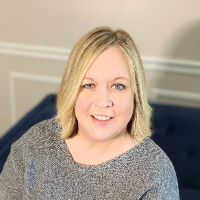
Heidi Shock
LMSW
Calm, practical support for trauma and addiction
- Trauma-focused care
- Client-centered approach
- Skill-based work
About Heidi
How therapeutic approaches guide online work
Trauma-Focused Therapy focuses on the impact of past harm and on building skills to reduce its effects in daily life. It often involves talking about difficult memories and practicing coping strategies to manage strong emotions. Client-Centered Therapy centers the person’s own goals and experience. The therapist listens with acceptance and helps the person steer sessions toward what matters most to them. Cognitive Behavioral Therapy (CBT) looks at how thoughts, feelings, and actions connect. It uses practical exercises and homework to change unhelpful thinking patterns and behaviors. Finding the right approach is part of the work. The therapist will collaborate with each person to choose methods that fit their needs, goals, and preferences. That may mean mixing approaches over time so the plan stays practical and relevant. Confirm which session formats are offered before booking, as the biography does not list specific options. Online therapy can make it easier to fit sessions into a busy life, reduce travel time, and allow shorter check-ins when schedules demand. It also lets people join from different geographic areas, which can help maintain continuity when life circumstances change.These summaries are based on the profile information listed on BetterHelp. Listing trauma-focused therapy does not mean a therapist holds a specific certification such as TF-CBT, EMDR or CPT.
Areas of expertise
Primary focus
Also works with
Additional focus areas
Therapeutic approaches
Experience
14+ years
Credentials
Michigan
Languages
English
Licenses listed
- LMSW, Michigan6801105237
- NPI1205058344
As listed on the therapist's profile. You can check a license with the state licensing board and an NPI in the national registry.
Frequently asked questions
What kinds of problems does she help with?
She helps people with addictions, trauma and abuse, grief, depression, anxiety, stress, and relationship or family concerns among other issues listed in her specialties.
How would you describe her therapy style?
Her style is laid-back and nonjudgmental, focusing on practical skills, emotion regulation, and talking through difficult experiences in a client-centered way.
What is her professional background?
She has 14 years of experience and has worked extensively with high-risk clients connected to the criminal justice system.
What credentials and location apply to this therapist?
She is licensed as an LMSW and is based in Michigan.
Are sessions offered in other languages or internationally?
Sessions are offered in English and international clients are accepted.
What session formats are available?
The original biography does not specify session formats; please confirm current session options before booking.
How is cost handled for sessions?
Cost varies with location and therapist availability, and sessions use a subscription that can be canceled at any time.
How do I begin working with her?
To begin, select the Start Therapy button, complete a short matching questionnaire, and schedule according to therapist availability.
Therapists on BetterHelp do not prescribe medication; a doctor can talk with you about medical options. This directory is not a crisis service. If you are in immediate danger, call 911. If you are thinking about suicide, call or text 988.