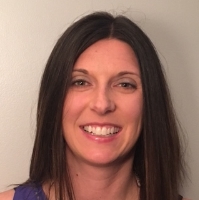
Emily Gallagher
LISW
Compassionate help for trauma and life stress
- Trauma-informed care
- Focus on relationships
- Practical skill building
About Emily
With 18 years of experience, Emily blends Trauma-Focused Therapy, Client-Centered Therapy, and Cognitive Behavioral Therapy to match what each person needs. Sessions look at how past events affect current relationships and behavior, and then build skills to manage symptoms and make clearer choices. She uses straightforward tools and homework that fit into everyday life.
Emily draws on work with individuals and couples and has a lot of experience helping people untangle family-of-origin issues, blended family concerns, adoption and foster care questions, and parenting stress. She also addresses body image, codependency, commitment struggles, and communication problems in relationships.
She holds an LISW, which is a Licensed Independent Social Worker credential in Ohio. Sessions are offered in English and she does not accept international clients. Before booking, confirm which session formats are currently available so arrangements match your needs.
To begin, people complete a short matching questionnaire and schedule a time that fits the therapist's availability. Emily aims to work collaboratively to set clear goals and practical steps toward feeling more stable and connected.
How Emily Uses Trauma-Focused and Other Approaches Online
Trauma-Focused Therapy helps identify how past harmful experiences are affecting daily life now, and it aims to reduce the hold those memories have on emotions and relationships. Client-Centered Therapy centers conversations around the person's concerns and goals, with the therapist listening and responding to what matters most. Cognitive Behavioral Therapy (CBT) looks at thinking patterns and behaviors, and teaches tools to manage anxiety, mood, and stress.Choosing the most useful approach is part of the work. The therapist will discuss goals, preferences, and what has or hasn’t helped before, then try methods that fit each person's needs. That collaborative process helps tailor sessions so they stay practical and focused on change.
Confirm which online session options are currently offered before booking. Online sessions can make it easier to fit therapy into busy days, allow shorter check-ins when needed, and let people join from locations that reduce travel time. Therapists and licensed professionals use these formats to keep sessions consistent with your schedule and goals, and adjustments can be made over time as needs change.
These summaries are based on the profile information listed on BetterHelp. Listing trauma-focused therapy does not mean a therapist holds a specific certification such as TF-CBT, EMDR or CPT.
Areas of expertise
Primary focus
Also works with
Additional focus areas
Therapeutic approaches
Experience
18+ years
Credentials
Ohio
Languages
English
Licenses listed
- LISW, OhioI.0900095-SUPV
- NPI1871964981
As listed on the therapist's profile. You can check a license with the state licensing board and an NPI in the national registry.
Frequently asked questions
What kinds of problems does she help with?
She works with stress, anxiety, trauma and abuse, depression, grief, relationship strain, parenting challenges, career issues, bipolar symptoms, and related concerns like communication problems and body image.
What is her therapy style like?
Her style is collaborative and practical, using Trauma-Focused Therapy, Client-Centered Therapy, and Cognitive Behavioral Therapy to address how past events affect current life and to build coping skills.
How long has she been practicing?
She has 18 years of clinical experience working with individuals and couples on relationship and trauma-related concerns.
What credentials does she hold and where is she located?
She holds an LISW, which is a Licensed Independent Social Worker credential, and practices in Ohio.
Can I work with her if I live outside the United States?
Sessions are offered in English and she is not accepting international clients at this time.
What session formats are available?
The original biography notes daytime video or chatting sessions on certain weekdays; please confirm current session options before booking to ensure they meet your needs.
How are fees handled?
Costs vary with location and therapist availability; sessions use a subscription that can be canceled at any time, so check current pricing when you match.
How do I begin working together?
Start by selecting the Start Therapy button, completing a short matching questionnaire, and then scheduling according to the therapist's availability.
Therapists on BetterHelp do not prescribe medication; a doctor can talk with you about medical options. This directory is not a crisis service. If you are in immediate danger, call 911. If you are thinking about suicide, call or text 988.