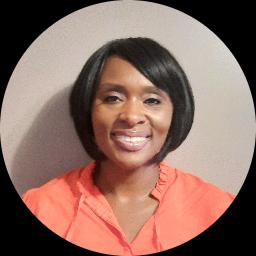
Catherine Brenen
LMSW
Compassionate care for life’s hard moments
- Warm and engaging
- Practical skill building
- Trauma-informed focus
About Catherine
Her style is warm and engaging. She centers respect, empathy, and unconditional positive regard in sessions. Catherine says she avoids judgment and fear-based tactics, and looks for practical ways to help people move toward a better quality of life.
Her approach adapts to each person. She draws on client-centered methods, cognitive behavioral techniques, dialectical behavior ideas, mindfulness skills, and trauma-focused thinking when appropriate. She blends these into conversations and plans that match what each person needs.
Sessions focus on clear goals and skills people can use between meetings. That might mean learning ways to manage strong emotions, changing unhelpful thinking, building healthier communication, or coping with grief and life transitions. Catherine works with people to set realistic steps and track progress over time.
She encourages anyone feeling nervous about beginning therapy to take the next step. Catherine offers a supportive space to talk things through and to plan practical changes. She invites people to reach out and start the process when they are ready.
Therapeutic approaches and online care
Cognitive Behavioral Therapy, or CBT, focuses on identifying and changing unhelpful thoughts and behaviors. It is often used for anxiety, depression, and stress by teaching practical tools you can use between sessions. Trauma-Focused Therapy centers on understanding and reducing the ongoing impact of past harm. It helps people process traumatic memories and learn coping strategies to manage triggers and flashbacks.Choosing the right approach is a collaborative process. The therapist will listen to your goals and concerns, and together you will decide which methods fit best. Plans are adjusted over time based on what is working and what feels comfortable for you.
Confirm the available session formats before booking, as the biography does not specify which online or in-person options are offered. Online therapy can make it easier to fit sessions into busy days, allow shorter check-ins when needed, and remove travel time. It can also help when quieter surroundings or lower bandwidth are preferable. Licensed professionals can guide options that suit your schedule and needs.
These summaries are based on the profile information listed on BetterHelp. Listing trauma-focused therapy does not mean a therapist holds a specific certification such as TF-CBT, EMDR or CPT.
Areas of expertise
Primary focus
Also works with
Additional focus areas
Therapeutic approaches
Experience
16+ years
Credentials
Michigan
Languages
English
Licenses listed
- LMSW, Michigan6801096367
- NPI1982071585
As listed on the therapist's profile. You can check a license with the state licensing board and an NPI in the national registry.
Frequently asked questions
What concerns does she help with?
Catherine helps people facing stress, anxiety, addictions, depression, trauma and abuse, grief, relationship and intimacy issues, parenting challenges, anger, self-esteem problems, career changes, and compassion fatigue.
How would you describe her therapeutic style?
Her style is warm, engaging, and nonjudgmental. She emphasizes respect, empathy, and unconditional positive regard while working toward practical goals.
What is her professional background?
She has 16 years of experience as a mental health provider and works as a licensed master social worker in Michigan.
Where is she located and licensed?
She practices in Michigan and holds the LMSW credential, which stands for licensed master social worker.
In which languages are sessions offered?
Sessions are offered in English.
Can people outside the U.S. work with her?
International clients are not currently accepted.
How are sessions scheduled and paid for?
Cost varies with location and therapist availability and sessions use a subscription that can be canceled at any time.
How do I begin working with her?
Click the Start Therapy button, complete a short matching questionnaire, and then schedule sessions according to the therapist's availability.
Therapists on BetterHelp do not prescribe medication; a doctor can talk with you about medical options. This directory is not a crisis service. If you are in immediate danger, call 911. If you are thinking about suicide, call or text 988.