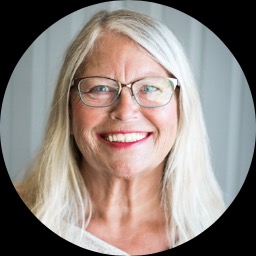
Barbara Kailean Welsh
LPC
Compassionate trauma-informed counseling for everyday life
- Trauma-focused care
- Strength-based approach
- Practical coping skills
About Barbara
Barbara draws from trauma-focused therapy alongside client-centered and cognitive behavioral tools. She emphasizes the connection between body, mind, and spirit and uses that view to shape sessions. The tone in the room is respectful, sensitive, and compassionate, with attention to each person’s unique story.
Sessions are experiential and tailored to specific needs. Expect conversations about current problems, short practical exercises, and skills practice you can use between meetings. The goal is to build coping strategies and increase confidence over time.
She also addresses related concerns such as body image, caregiver stress, codependency, commitment and communication issues, and family of origin difficulties. First responder issues, hoarding, eating and food-related struggles, guilt, and forgiveness are included among the focus areas she works on.
Barbara encourages small steps and active participation. She recognizes how hard it can be to begin and aims to make the process clear and manageable. Choosing therapy is a personal decision, and she supports people through each stage of that choice and the work that follows.
How trauma-informed and practical approaches translate online
Trauma-focused therapy helps people process painful events by stabilizing emotions and building coping skills. It often includes gentle pacing, attention to safety, and exercises that reduce symptoms of trauma and abuse. Client-centered therapy emphasizes listening, empathy, and following the client’s lead to build trust and clarity. It is useful when someone needs a supportive space to sort through feelings and decisions.Barbara combines these approaches with cognitive behavioral ideas to help people notice unhelpful thoughts and try different behaviors. Finding the right mix is part of the work together. She will discuss goals, preferences, and what feels comfortable, and then shape sessions to fit those needs in a collaborative way.
If you are considering online work, confirm current session formats before booking since options are not listed here. Many people find remote sessions helpful because they can fit meetings into a busy day, avoid travel, or choose a quieter place that suits them. Remote work can also make it easier to try brief check-ins or practice skills between sessions. The therapist will review practical details and help pick an approach that matches your life and therapeutic goals.
These summaries are based on the profile information listed on BetterHelp. Listing trauma-focused therapy does not mean a therapist holds a specific certification such as TF-CBT, EMDR or CPT.
Areas of expertise
Additional focus areas
Therapeutic approaches
Experience
22+ years
Credentials
Wisconsin
Languages
English
Licenses listed
- LPC, Wisconsin3789-125
- NPI1194879924
As listed on the therapist's profile. You can check a license with the state licensing board and an NPI in the national registry.
Frequently asked questions
What kinds of problems does she help with?
Barbara helps people dealing with stress, anxiety, trauma and abuse, self-esteem concerns, depression, and coping with life changes. She also focuses on issues like body image, caregiver stress, codependency, and communication problems.
How would you describe her therapy style?
Her style is collaborative and strength-based, combining respectful listening with practical exercises. Sessions are experiential and tailored to what the client needs right now.
What is her professional background?
She has 22 years of clinical experience working in counseling settings. That time has included work with trauma-related concerns and other life stressors.
What credentials and location are listed?
She holds the LPC credential, which stands for Licensed Professional Counselor, and practices in Wisconsin.
Which languages are sessions offered in?
Sessions are offered in English only.
Do you offer remote or international sessions?
International clients are not currently accepted. Confirm current session options before booking to learn whether remote meetings are available.
How does payment and cost work?
Cost varies with location and therapist availability. Sessions use a subscription model that can be canceled at any time.
How do I get started with therapy?
Select the Start Therapy button, complete a short matching questionnaire, and then schedule according to the therapist's availability.
Therapists on BetterHelp do not prescribe medication; a doctor can talk with you about medical options. This directory is not a crisis service. If you are in immediate danger, call 911. If you are thinking about suicide, call or text 988.