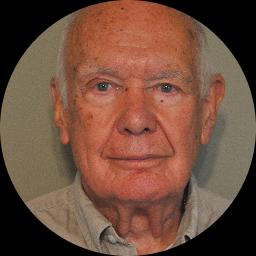
Paul D. Wess
LPCC
Experienced trauma-focused clinician
- 30 years experience
- Trauma-focused approach
- Speaks Estonian
About Paul
He holds master's degrees in psychology and sociology and completed a Certificate of Advanced Graduate Study, which reflects extensive post-master's coursework. That background shapes how he understands development and long-term patterns that affect mood and relationships.
In sessions he attends to body, mind, emotion, and spirit rather than treating symptoms alone. He helps people notice how their history shows up now, then practices skills and perspectives to reduce anxiety, manage mood swings, and address compulsive behaviors. Work often moves between talking, practical exercises, and reflective exploration.
Paul lists Trauma-Focused Therapy among his approaches and pairs it with methods such as Acceptance and Commitment Therapy, Cognitive Behavioral Therapy, and Dialectical Behavior Therapy. He uses these approaches to address concerns like depression, addiction, grief, anxiety, anger, and intimacy issues.
People who prefer a thoughtful, developmentally informed style may find his approach a good fit. He encourages collaboration and steady pace, helping clients set clear goals and try concrete steps toward more balance and self-understanding.
How these approaches translate to online work
Trauma-Focused Therapy focuses on safely addressing traumatic memories and the symptoms they cause. It helps people reduce reactivity and build coping skills so painful experiences feel less overwhelming. Acceptance and Commitment Therapy, or ACT, emphasizes noticing thoughts without getting ruled by them and clarifying personal values to guide action; it can help with anxiety, depression, and motivation. Client-Centered Therapy centers the person’s experience, offering empathy and acceptance while the client leads the pace and topics of therapy.Finding the right approach is part of the process. The therapist will collaborate with each person to choose which methods fit their needs and goals. That might mean using trauma-focused strategies for past hurts, ACT for getting unstuck, or client-centered listening to rebuild trust in oneself.
If you are considering online sessions, confirm the current session options before booking. Online work can make it easier to fit therapy into a busy week, allow shorter check-ins when needed, and reduce travel time. It can also let someone use audio-only contact when bandwidth is limited or when a shorter, focused session is preferable. Licensed professionals tailor the format and pace to what helps each person make steady progress.
These summaries are based on the profile information listed on BetterHelp. Listing trauma-focused therapy does not mean a therapist holds a specific certification such as TF-CBT, EMDR or CPT.
Areas of expertise
Primary focus
Also works with
Additional focus areas
Therapeutic approaches
Experience
30+ years
Credentials
Ohio
Languages
English, Estonian
Licenses listed
- LPCC, OhioE.0003248-SUPV
- NPI1194124065
As listed on the therapist's profile. You can check a license with the state licensing board and an NPI in the national registry.
Frequently asked questions
What concerns does he address?
He works with stress, anxiety, trauma and abuse, anger, bipolar disorder, depression, addictions, relationship and family concerns, grief, intimacy issues, self esteem, coping with life changes, coaching needs, and compassion fatigue.
What is his therapy style like?
He blends trauma-focused work with client-centered, cognitive behavioral, acceptance and commitment, and dialectical behavior approaches. Sessions mix listening, practical skills, and reflective work.
How much experience does he have?
He has 30 years of clinical experience and advanced graduate study including a Certificate of Advanced Graduate Study beyond his master’s degrees.
What are his credentials and where does he practice?
He is an Ohio LPCC and practices in Ohio.
Which languages are supported?
Sessions are offered in English and Estonian.
Can I work with him from another country?
He does not accept international clients at this time.
How are costs handled?
Cost varies with location and therapist availability; sessions use a subscription that can be canceled at any time.
How do I begin the process?
Choose the Start Therapy button, complete a short matching questionnaire, and then schedule based on the therapist's availability.
Therapists on BetterHelp do not prescribe medication; a doctor can talk with you about medical options. This directory is not a crisis service. If you are in immediate danger, call 911. If you are thinking about suicide, call or text 988.