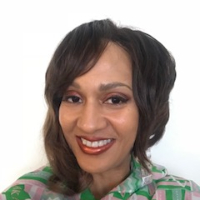
Pamela Davis
LMSW
Experienced therapist focused on healing
- Trauma-informed care
- Practical skill building
- Compassionate listening
About Pamela
Pamela uses a calm, nonjudgmental style and listens closely to what each person says. She uses active listening and practical problem solving to help people identify patterns and try new ways of coping. Sessions focus on helping clients notice strengths and build skills that fit their everyday lives.
Her background includes long experience with trauma, emotional and physical abuse, and a range of mental health concerns. Pamela draws from Trauma-Focused Therapy alongside approaches such as Client-Centered Therapy and Cognitive Behavioral Therapy to tailor care for each person. She also uses elements of Dialectical Behavior Therapy and Emotionally-Focused Therapy when helpful.
Pamela believes self-acceptance, self-compassion, and self-forgiveness are central to change. She works to help people access their own inner resources and to practice new habits that improve relationships and daily functioning. Work together is paced to match each person’s needs.
Clients who choose Pamela can expect thoughtful listening, straightforward feedback, and collaborative planning. She frames therapy as a practical partnership aimed at clearer thinking, better emotional regulation, and more satisfying connections with others.
How Pamela’s Approaches Translate to Online Work
Pamela often draws on Trauma-Focused Therapy to help people process past hurts, reduce trauma symptoms, and build safety and coping skills. This approach focuses on understanding how traumatic experiences affect thoughts and behavior and then practicing ways to respond differently.She also uses Client-Centered Therapy, which centers the person’s experience and priorities; this means sessions focus on listening, empathic reflection, and working at the client’s pace. Cognitive Behavioral Therapy (CBT) is another common tool she uses to help people identify unhelpful thought patterns and test practical strategies for change. CBT supports work on anxiety, depression, and behavior change through structured practice and small experiments.
Finding the right approach is part of the process. Pamela works collaboratively to choose methods that fit a person’s needs, goals, and preferences, and she adjusts plans as those needs change. Clients are invited to share what feels most useful and to try techniques together in session.
The original biography does not list specific online formats, so please confirm current session options before booking. Many clients find online work helpful because it can be easier to fit appointments into a busy week, allow shorter check-ins when needed, and avoid travel time. Talk with the therapist about what will best fit your routine and comfort level.
These summaries are based on the profile information listed on BetterHelp. Listing trauma-focused therapy does not mean a therapist holds a specific certification such as TF-CBT, EMDR or CPT.
Areas of expertise
Primary focus
Also works with
Additional focus areas
Therapeutic approaches
Experience
32+ years
Credentials
Michigan
Languages
English
Licenses listed
- LMSW, Michigan6801087123
- NPI1366115495
As listed on the therapist's profile. You can check a license with the state licensing board and an NPI in the national registry.
Frequently asked questions
What concerns does Pamela help with?
Pamela supports people dealing with stress, anxiety, depression, trauma and abuse, relationship issues, self-esteem, addictions, grief, ADHD, and many related concerns listed in her specialties.
How would you describe her therapeutic style?
Her style is nonjudgmental, empathetic, and compassionate with an emphasis on active listening and practical problem solving.
What experience does she bring to therapy?
She brings 32 years of clinical experience working with a wide range of emotional, behavioral, and trauma-related concerns.
What are her credentials and location?
She is a Licensed Master Social Worker (MI LMSW) based in Michigan.
In which languages can sessions be held?
Sessions are offered in English and Pamela accepts international clients.
What formats are offered for sessions?
The original biography does not specify session formats, so please confirm current session options with the service before booking.
How is cost handled?
Cost varies with location and therapist availability, and sessions use a subscription that can be canceled at any time.
How do I get started working with her?
Use the Start Therapy button, complete a short matching questionnaire, and schedule according to the therapist's availability.
Therapists on BetterHelp do not prescribe medication; a doctor can talk with you about medical options. This directory is not a crisis service. If you are in immediate danger, call 911. If you are thinking about suicide, call or text 988.