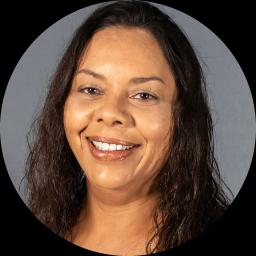
Michelle Evans
LPC, LMHC
Trauma-informed counselor focused on practical skills
- Person-centered care
- Practical coping skills
- Focus on trauma
About Michelle
She holds a Master of Arts in Counseling from Webster University and maintains licensure as an LPC and as a Licensed Mental Health Counselor (LMHC). Over nearly two decades she has worked in a range of settings, including foster care, residential programs, independent living homes, and substance use treatment. That background informs how she supports people facing complex, overlapping challenges.
In sessions she draws from Trauma-Focused Therapy, Client-Centered Therapy, Cognitive Behavioral Therapy (CBT), Dialectical Behavior Therapy (DBT), and Mindfulness Therapy. That means she blends practical coping skills, attention to present experience, and a focus on personal values. Sessions emphasize clear goals and steps clients can try between meetings.
Michelle often helps people address attachment and abandonment concerns, communication problems, impulsivity, codependency, and caregiver stress. She also supports those navigating blended family issues and recovery from domestic violence and substance problems. Her approach starts with listening and then matching methods to each person’s needs.
If someone wants a direct, collaborative therapist who combines skill-building with listening, Michelle offers that mix. She encourages questions and gradual progress rather than quick fixes.
How therapeutic approaches shape online care
Trauma-Focused Therapy centers on addressing the impacts of traumatic events by helping people process painful memories and reduce symptoms that interfere with daily life. It often uses gradual pacing and concrete strategies to build safety and tolerance for difficult emotions.Client-Centered Therapy focuses on listening and meeting a person where they are. The therapist offers acceptance and reflection so clients can find their own answers and decide what changes to try next.
Cognitive Behavioral Therapy (CBT) looks at how thoughts, feelings, and actions connect. It teaches practical skills to challenge unhelpful thinking and develop healthier habits, which can be helpful for anxiety, mood struggles, and addictive behaviors.
Choosing the right approach is a collaborative process. The therapist will work with the client to identify goals, try techniques, and adjust methods based on what helps. That partnership means the plan can change as needs and priorities evolve.
Practical benefits of online therapy include easier scheduling and reduced travel time, which can make ongoing work fit into a busy week. Online care can also allow for shorter check-ins when needed or sessions without video if that feels more comfortable, but the original biography does not list specific formats. Confirm available session options before booking to know how sessions will be held.
These summaries are based on the profile information listed on BetterHelp. Listing trauma-focused therapy does not mean a therapist holds a specific certification such as TF-CBT, EMDR or CPT.
Areas of expertise
Also works with
Additional focus areas
Therapeutic approaches
Experience
18+ years
Credentials
Missouri, Washington
Languages
English
Licenses listed
- LPC, Missouri2011002383
- LMHC, WashingtonLH61604240
- NPI1942509591
As listed on the therapist's profile. You can check a license with the state licensing board and an NPI in the national registry.
Frequently asked questions
What kinds of concerns does Michelle help with?
She works with stress, anxiety, trauma and abuse, self-esteem struggles, addiction, anger, ADHD, and coping with major life changes. Additional focus areas include attachment and abandonment issues, codependency, communication problems, and caregiver stress.
What is her general therapy style?
Her style is person-centered and practical. She listens first, then blends skills-based techniques like CBT and DBT with trauma-focused work and mindfulness practices.
How much experience does she have?
She has 18 years of clinical experience, including work in foster care, residential settings, independent living homes, and substance use programs.
What credentials and location are listed?
She holds LPC and LMHC credentials and practices from Missouri. The credentials given are LPC and LMHC.
In what language are sessions offered?
Sessions are offered in English. International clients are not currently accepted.
Which session formats are available?
The original biography does not specify session formats. Confirm current session options with the service before booking.
How is cost handled?
Session cost varies with location and therapist availability. Services use a subscription model that can be canceled at any time.
How do I begin working with her?
Click the Start Therapy button, complete a short matching questionnaire, and schedule according to therapist availability.
Therapists on BetterHelp do not prescribe medication; a doctor can talk with you about medical options. This directory is not a crisis service. If you are in immediate danger, call 911. If you are thinking about suicide, call or text 988.