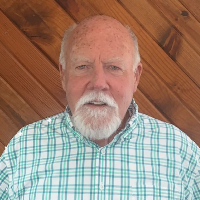
Dr. Michael Cundiff
LPC
Experienced LPC focused on collaborative care
- Client-centered focus
- Trauma-informed tools
- Forty-five minute sessions
About Michael
He typically offers forty-five minute sessions because many people find that length helpful, though he can adjust session time when needed. He checks messages several times each day and encourages questions at any point in the process. Dr. Cundiff asks clients to move at their own pace and to bring their priorities to the work.
His approach is client-centered, meaning the relationship and collaboration between the counselor and the person seeking help guide the work. Together they set goals and choose strategies that fit the person’s life. He also uses elements from trauma-focused work, cognitive behavioral therapy, mindfulness, and motivational interviewing when those strategies match a client’s goals.
He has worked with a wide range of concerns, including stress, anxiety, depression, grief, addictions, trauma and abuse, relationship and intimacy issues, parenting and family-related stress, career changes, and compassion fatigue. Additional areas include attachment and abandonment issues, caregiving strain, codependency, and forgiveness.
Sessions are conducted in English. Dr. Cundiff emphasizes clear communication and practical problem solving so people can try out new ways of coping between meetings.
How therapeutic approaches shape online sessions
Dr. Cundiff commonly blends client-centered work with trauma-focused and cognitive behavioral approaches. Client-centered therapy emphasizes listening and collaboration so goals reflect what matters to the person. Trauma-focused therapy concentrates on addressing the effects of traumatic events and helping people build coping tools for distressing memories or symptoms. Cognitive behavioral therapy (CBT) focuses on identifying unhelpful thoughts and patterns and testing practical changes that can reduce anxiety, low mood, or relationship difficulties.Finding the right approach is part of the process and happens together. The therapist will talk with the person about goals, preferences, and what feels most useful, then adjust methods as progress is made. That collaborative planning helps tailor sessions to each person’s needs.
The profile does not list specific session formats here, so confirm current session options before booking. Online therapy can make it easier to fit counseling into a busy schedule. It can reduce travel time, allow shorter check-ins when needed, and help someone keep consistent appointments around work or family commitments. Licensed professionals often use tools from CBT, mindfulness, and motivational interviewing in remote sessions to support skill building, mood regulation, and motivation for change.
These summaries are based on the profile information listed on BetterHelp. Listing trauma-focused therapy does not mean a therapist holds a specific certification such as TF-CBT, EMDR or CPT.
Areas of expertise
Primary focus
Also works with
Additional focus areas
Therapeutic approaches
Experience
45+ years
Credentials
Missouri
Languages
English
Licenses listed
- LPC, Missouri000290
- NPI1699747907
As listed on the therapist's profile. You can check a license with the state licensing board and an NPI in the national registry.
Frequently asked questions
What kinds of problems does this therapist help with?
He works with many concerns including stress, anxiety, depression, grief, addictions, trauma and abuse, relationship and intimacy issues, parenting and family stress, career transitions, and compassion fatigue.
How would you describe his therapeutic style?
His style is client-centered and relationship based, meaning the person and counselor set goals together and decide on strategies that fit the person’s life.
How much experience does he have?
He has 45 years of experience as a practicing counselor.
What are his credentials and where is he located?
He holds the LPC credential and practices in Missouri.
Which languages are supported for sessions?
Sessions are offered in English.
Can international clients work with him?
He is not currently accepting international clients.
How does payment and pricing work?
Cost varies with location and therapist availability and sessions use a subscription that can be canceled at any time.
What steps are needed to begin working together?
Select the Start Therapy button, complete a short matching questionnaire, and then schedule according to the therapist’s availability.
Therapists on BetterHelp do not prescribe medication; a doctor can talk with you about medical options. This directory is not a crisis service. If you are in immediate danger, call 911. If you are thinking about suicide, call or text 988.