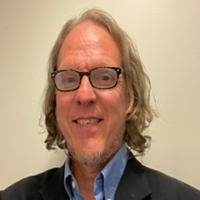
Jonathan Rosengren
LMSW
Compassionate trauma-focused therapist
- Trauma-informed care
- Values-based work
- Relationship focus
About Jonathan
How trauma-informed and acceptance approaches work online
Trauma-Focused Therapy focuses on understanding how past harm affects present feelings and behavior. Work often involves naming difficult memories and learning ways to respond differently to triggers. Acceptance and Commitment Therapy, or ACT, helps people notice unhelpful thoughts and move toward actions that match their values. Finding the right approach is part of therapy. Jonathan will collaborate with each person to choose techniques that fit their goals, needs, and comfort level. That process often blends attention to relationships, values-based choices, and skill-building over time. Confirm the available session options before booking so you know how appointments are held. Online work can make sessions easier to fit into busy days, reduce travel time, and allow for shorter check-ins when schedules are tight. It also makes it possible to continue steady work on coping skills and relationship patterns without reshuffling daily routines.These summaries are based on the profile information listed on BetterHelp. Listing trauma-focused therapy does not mean a therapist holds a specific certification such as TF-CBT, EMDR or CPT.
Areas of expertise
Primary focus
Also works with
Additional focus areas
Therapeutic approaches
Experience
9+ years
Credentials
Michigan
Languages
English
Licenses listed
- LMSW, Michigan6801098780
- NPI1780053546
As listed on the therapist's profile. You can check a license with the state licensing board and an NPI in the national registry.
Frequently asked questions
What concerns does Jonathan help with?
He helps people managing stress, anxiety, depression, trauma and abuse, addictions, relationship and intimacy issues, grief, parenting strain, body image, and career challenges.
What is his therapeutic style like?
His style is warm and interactive with an emphasis on respect and sensitivity. He blends practical skills with open conversation to fit each person.
What kind of experience does he have?
Jonathan has nine years of clinical experience working with a wide range of concerns in Michigan.
What credentials and location are listed?
He holds an LMSW, which stands for Licensed Master Social Worker, and practices in Michigan.
Which languages are supported and can international clients join?
Sessions are offered in English. International clients are not currently accepted.
What session formats are available?
Please confirm current session options before booking so you know which formats are offered for scheduling.
How are fees handled?
Cost varies by location and therapist availability; sessions use a subscription that can be canceled at any time.
How do I start working with him?
Choose the Start Therapy button, complete a short matching questionnaire, and schedule according to therapist availability.
Therapists on BetterHelp do not prescribe medication; a doctor can talk with you about medical options. This directory is not a crisis service. If you are in immediate danger, call 911. If you are thinking about suicide, call or text 988.