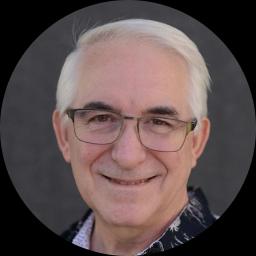
Jeffrey Sumpolec
LPCC, LPC
Calm-focused therapist for stress and trauma
- Practical step-by-step help
- Focus on thoughts and behavior
- Values-based work
About Jeffrey
He uses a mix of Trauma-Focused Therapy, Acceptance and Commitment Therapy, and Client-Centered approaches to support the goals people bring. In sessions he helps clients connect thoughts, feelings, and behavior so they can spot unhelpful patterns and try different responses. The work can include learning new coping skills, practicing ways to manage strong emotions, and focusing on values-driven choices.
With 22 years of experience, he has worked with people struggling with addiction, anger, and relationship strain as well as mood concerns like bipolar disorder and depression. He also assists those dealing with post-traumatic stress, obsessive-compulsive tendencies, social anxiety, and issues around guilt, shame, or isolation. His background includes practice in other states before relocating to California.
Jeffrey aims for a collaborative, respectful tone. He is direct and practical in offering steps clients can try between sessions. People who want clear tools and a steady guide through stress, trauma, or life changes may find his style helpful.
Sessions are conducted in English and he accepts international clients. Before booking, confirm current session options and scheduling details.
How therapeutic approaches translate to online care
Trauma-Focused Therapy focuses on helping people process and make sense of traumatic experiences so symptoms interfere less with daily life. It often involves pacing, grounding skills, and working carefully through memories and reactions to reduce their hold on day-to-day functioning.Acceptance and Commitment Therapy (ACT) emphasizes noticing thoughts and feelings without being driven by them, and then choosing actions that match personal values. This can help with anxiety, depression, and chronic stress by shifting attention toward meaningful activity rather than only symptom control.
Attachment-Based Therapy looks at how early relationships shape present patterns in trust, intimacy, and emotion regulation. It can be useful for people wanting to change how they connect with others or manage closeness and conflict.
Choosing the right approach is a collaborative process. The therapist will talk with each person about goals, past experiences, and what feels tolerable in therapy, then recommend methods to try. That plan can be adjusted over time based on what helps.
If you are considering online work, confirm the session formats offered before booking since the biography does not list them. Online therapy can make it easier to fit appointments into a busy life, reduce travel time, and allow shorter check-ins when needed. It also lets people try therapeutic tools from their usual routines while working with a licensed professional to adapt exercises and skills to everyday settings.
These summaries are based on the profile information listed on BetterHelp. Listing trauma-focused therapy does not mean a therapist holds a specific certification such as TF-CBT, EMDR or CPT.
Areas of expertise
Primary focus
Also works with
Additional focus areas
Therapeutic approaches
Experience
22+ years
Credentials
California, Virginia, North Carolina, South Carolina, West Virginia, Ohio
Languages
English
Licenses listed
- LPCC, California9308
- LPC, Virginia0701003590
- LCMHC, North Carolina16543
- LPC, South Carolina10845
- LPC, West Virginia2960
- LPCC, OhioE.2606180
- NPI1164569018
As listed on the therapist's profile. You can check a license with the state licensing board and an NPI in the national registry.
Frequently asked questions
What problems does he commonly help with?
He works with adults around stress, anxiety, trauma and abuse, depression, bipolar concerns, addictions, anger, and relationship or intimacy-related issues.
What is his general therapeutic style?
The approach is collaborative and practical, using person-centered listening plus strategies from Trauma-Focused Therapy, ACT, and CBT to help people try new responses and skills.
How much experience does he have?
He brings 22 years of clinical experience working in private practice and with adults on a range of mood, trauma, and behavioral concerns.
What credentials and location apply?
He holds the credentials LPCC and LPC and practices in California.
Which languages and international options are available?
Sessions are offered in English and he accepts international clients.
What session formats are offered?
Please confirm current session options directly before booking, as the biography does not list specific session formats.
How are fees and payment handled?
Cost varies with location and therapist availability; sessions use a subscription that can be canceled at any time.
How do I begin working with him?
Use the Start Therapy button, complete a short matching questionnaire, and schedule a session according to the therapist's availability.
Therapists on BetterHelp do not prescribe medication; a doctor can talk with you about medical options. This directory is not a crisis service. If you are in immediate danger, call 911. If you are thinking about suicide, call or text 988.