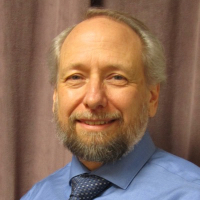
Rev. Jeffrey Bischoff
LPC, LPCC
Compassionate counselor blending faith and clinical care
- 30 years experience
- Client-centered approach
- Trauma-informed focus
About Jeffrey
Over a 30 year career he has supported people dealing with stress, anxiety, depression, trauma and abuse, addiction, relationship and family difficulties, grief, and a range of mood and behavioral concerns. He has worked in residential and outpatient settings and has spent time focused on PTSD recovery and issues related to domestic violence and sexual abuse. His background includes work with juvenile residential programs, substance use services, and pastoral care.
His approach is largely client-centered and non-directive. He blends Cognitive Behavioral Therapy, Motivational Interviewing, and Solution-Focused techniques to help people set goals and try practical steps between sessions. He can include spiritual or pastoral perspectives when clients want that dimension addressed, or avoid spiritual material entirely if preferred.
Jeffrey aims to create a calm, empathetic space where people can talk through what matters to them. He listens for what a person wants to change and helps them build small, manageable steps toward those goals. The focus is on measurable actions and clearer choices in day-to-day life.
To begin, readers should use the site's Start Therapy process to complete the short matching questionnaire and schedule based on therapist availability. Because session formats are not listed here, confirm current options before booking.
How online work can use familiar counseling approaches
Trauma-Focused Therapy focuses on addressing the effects of traumatic events. It often uses structured steps to help a person process distressing memories and reduce their hold on daily life. This approach can help with PTSD symptoms, intense anxiety linked to past events, and recovery after abuse.Acceptance and Commitment Therapy, or ACT, teaches people to notice painful thoughts and feelings without getting stuck in them. It combines mindfulness skills with clear values-based goals to help people act differently even when unpleasant feelings remain. This can be useful for anxiety, depression, and managing life changes.
Client-Centered Therapy emphasizes a respectful, listening stance. The therapist follows the person’s lead and offers empathy and reflection to help people find their own answers. It is often paired with other techniques to make practical plans and choices.
Finding the right approach is a collaborative process. The therapist will talk with each person about their goals, preferences, and what has or hasn’t helped before. Together they decide which methods to try and adjust the plan as progress is made.
Because the profile does not list session formats, confirm the available online options before booking. Online work can make it easier to fit sessions into busy days, shorten commutes, and offer different ways to connect when meeting in person is difficult. Ask about the formats currently offered to find the best fit for scheduling and comfort.
These summaries are based on the profile information listed on BetterHelp. Listing trauma-focused therapy does not mean a therapist holds a specific certification such as TF-CBT, EMDR or CPT.
Areas of expertise
Primary focus
Also works with
Additional focus areas
Therapeutic approaches
Experience
30+ years
Credentials
Ohio, Michigan
Languages
English
Licenses listed
- LPCC, OhioE.0501108-SUPV
- LPC, Michigan6401014650
- NPI1023319803
As listed on the therapist's profile. You can check a license with the state licensing board and an NPI in the national registry.
Frequently asked questions
What concerns does this therapist address?
He works with stress, anxiety, depression, trauma and abuse, addictions, relationship and family issues, grief, anger, and many mood and behavior concerns.
What is his general therapy style?
He uses a largely non-directive, client-centered style and mixes Cognitive Behavioral Therapy and Motivational Interviewing within a solution-focused frame.
How long has he practiced?
He brings 30 years of professional experience in ministry, social work, and clinical counseling settings.
Where is he located and what are his credentials?
He practices in Ohio and holds LPC and LPCC credentials, listed as MI LPC and OH LPCC in his background.
Can I work with him in a language other than English?
Sessions are offered in English.
What session formats are available?
This profile does not list session formats; please confirm current session options before booking.
How are fees handled?
Cost varies with location and therapist availability, and sessions use a subscription that can be canceled at any time.
How do I start working with him?
Use the Start Therapy button, complete the short matching questionnaire, and schedule a time according to therapist availability.
Therapists on BetterHelp do not prescribe medication; a doctor can talk with you about medical options. This directory is not a crisis service. If you are in immediate danger, call 911. If you are thinking about suicide, call or text 988.