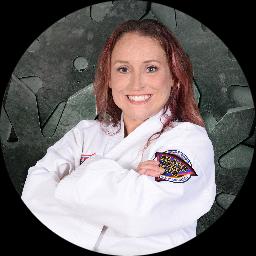
Dana Teeter
LCSW
Practical, skill-focused therapy for stress and trauma
- Skill building
- Mind-body work
- School experience
About Dana
She brings about 10 years of experience working in school settings with children and teens. That work involved supporting students with anxiety, depression, ADHD, PTSD, and childhood trauma. Dana also has experience writing IEPs, 504 plans, and behavior intervention plans, and coordinating those plans with school staff and families.
In addition to clinical work, Dana has lived experience parenting two children with ADHD. That perspective informs her approach to ADHD-related challenges, behavior planning, and family routines. She combines talk therapy with mind-body practices such as breath work, yoga-informed exercises, and progressive muscle relaxation.
Dana lists Trauma-Focused Therapy, Client-Centered Therapy, cognitive behavioral therapy (CBT), dialectical behavior therapy (DBT), and mindfulness therapy among her approaches. In sessions she focuses on helping people learn skills to self-regulate, reframe negative thoughts, and build daily habits that support mood and functioning.
She describes therapy as a collaborative process that includes education about how the brain and body respond to stress. Dana aims to help each person set realistic goals, try practical strategies between sessions, and track small changes that add up over time.
How therapy approaches translate to online work
Trauma-Focused Therapy helps people work through distressing memories and reactions by using gradual, paced techniques that target symptoms and improve daily functioning. Client-Centered Therapy centers the person's own goals and strengths, with the therapist listening and reflecting to help clarify what matters most. Cognitive Behavioral Therapy (CBT) looks at thoughts and behaviors together, teaching concrete exercises to change unhelpful thinking patterns and build new habits.Finding the right approach is part of the process. The therapist will collaborate with each person to pick strategies that match their needs, goals, and comfort level. That may mean starting with basic skills like breathing and grounding, then adding CBT or trauma-focused methods as trust grows.
Practical benefits of online therapy include fitting sessions into a workday, avoiding travel time, and using brief check-ins during busy weeks. Because the biography does not list specific session formats, confirm current online options before booking to know what is offered. Many people use online work to practice skills between meetings, stay consistent with appointments, and make therapy easier to maintain alongside family, school, and job responsibilities.
These summaries are based on the profile information listed on BetterHelp. Listing trauma-focused therapy does not mean a therapist holds a specific certification such as TF-CBT, EMDR or CPT.
Areas of expertise
Primary focus
Also works with
Additional focus areas
Therapeutic approaches
Experience
10+ years
Credentials
Indiana
Languages
English
Licenses listed
- LCSW, Indiana34007041A
- NPI1528766334
As listed on the therapist's profile. You can check a license with the state licensing board and an NPI in the national registry.
Frequently asked questions
What concerns does Dana commonly address?
Dana works with stress, anxiety, depression, bipolar spectrum concerns, ADHD, addictions, trauma and abuse, grief, anger, self-esteem, parenting and related family issues.
What is her general therapy style?
She uses a practical, client-centered style that blends talk therapy with skills practice. Sessions often include breathing, mindfulness, and exercises to manage strong emotions.
What kinds of clinical experience does she have?
She has about 10 years of experience, much of it as a school counselor and social worker supporting children and teens with mood, anxiety, trauma, and attention concerns.
What credentials and location should I know about?
She is a licensed clinical social worker, LCSW, practicing in Indiana.
Are sessions offered in any languages besides English?
Sessions are offered in English only and international clients are not currently accepted.
What session formats are available for meetings?
The original biography does not specify session formats. Please confirm current session options before booking so you know whether video, phone, or in-person visits are offered.
How are costs and billing handled?
Cost varies with location and therapist availability; sessions use a subscription that can be canceled at any time.
How do I begin working with her?
To get started, select the Start Therapy button, complete a short matching questionnaire, and schedule according to the therapist's availability.
Therapists on BetterHelp do not prescribe medication; a doctor can talk with you about medical options. This directory is not a crisis service. If you are in immediate danger, call 911. If you are thinking about suicide, call or text 988.