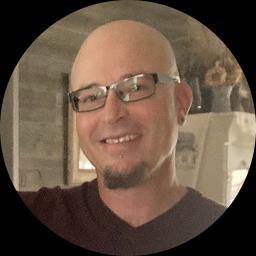
Christopher Lankford
LCSW
Practical skills-focused trauma-informed care
- Evidence-based methods
- Skill building focus
- Nonjudgmental approach
About Christopher
He aims to make sessions a calm place to talk without judgment. Christopher emphasizes dignity and respect and listens for what matters most to each person. He helps people build practical skills they can use between sessions to manage strong emotions and daily challenges.
Christopher uses evidence-based therapies to teach new ways of responding to difficult thoughts and feelings. He draws on methods that encourage acceptance, present-moment awareness, and concrete behavior changes. This means sessions often include learning and practicing tools, then checking how those tools fit into everyday life.
People come to him for many concerns, including relationship strain, grief, bipolar mood concerns, ADHD, body image, and issues related to gender and sexual identity. He also works with addiction, eating-related problems, and attachment or communication struggles. Christopher aims to tailor each plan to the person’s goals and life situation.
He invites those who are nervous about starting therapy to take a small step by completing an initial questionnaire. That helps him understand priorities and match therapy tasks to what the person hopes to change.
How therapy approaches guide online care
Trauma-Focused Therapy helps people process painful memories and their effects. It often focuses on understanding how past events shape current reactions and on developing skills to reduce distress and improve daily functioning.Acceptance and Commitment Therapy, or ACT, teaches people to accept difficult thoughts and focus on actions that match their values. It is useful for anxiety, depression, and problems where avoidance makes life smaller.
Cognitive Behavioral Therapy, or CBT, looks at how thoughts, feelings, and behaviors interact. It helps people identify unhelpful thinking patterns and practice different responses to improve mood and coping.
Finding the right approach is a shared process. Christopher works with each person to decide which methods fit their goals and preferences. He checks in as skills are tried in life and adjusts the plan based on what helps most.
Confirm the current online session options before booking because formats are not specified in the biography. Online work can make it easier to fit therapy into a busy week, reduce travel time, and allow shorter check-in sessions when needed. It also lets people practice skills in everyday settings and bring real-life challenges directly into sessions for problem solving.
These summaries are based on the profile information listed on BetterHelp. Listing trauma-focused therapy does not mean a therapist holds a specific certification such as TF-CBT, EMDR or CPT.
Areas of expertise
Primary focus
Also works with
Additional focus areas
Therapeutic approaches
Experience
5+ years
Credentials
Arkansas, Missouri
Languages
English
Licenses listed
- LCSW, Arkansas9321-C
- LCSW, Missouri2024029657
- NPI1558920694
As listed on the therapist's profile. You can check a license with the state licensing board and an NPI in the national registry.
Frequently asked questions
What issues does Christopher help with?
He helps people address stress, anxiety, anger, depression, trauma, and a range of related concerns such as ADHD, bipolar symptoms, grief, and relationship problems.
What is his therapy style like?
Sessions are practical and skills-focused. He emphasizes acceptance, mindfulness, and learning tools to manage thoughts and feelings.
How long has he been practicing?
He has five years of professional experience since completing his master’s degree in social work in 2018.
What credentials and region apply to his practice?
He is a Licensed Certified Social Worker with MO LCSW and AR LCSW credentials and practices in Arkansas.
Which languages are offered for sessions?
Sessions are offered in English.
Can people outside the U.S. work with him?
He does not accept international clients at this time.
How much do sessions cost?
Cost varies with location and therapist availability; sessions use a subscription model that can be canceled at any time.
What are the first steps to begin?
Click the Start Therapy button, complete a short matching questionnaire, and schedule according to therapist availability.
Therapists on BetterHelp do not prescribe medication; a doctor can talk with you about medical options. This directory is not a crisis service. If you are in immediate danger, call 911. If you are thinking about suicide, call or text 988.