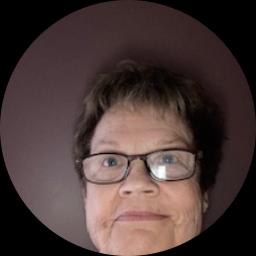
Charlotte Neville
LCSW
Experienced trauma-informed LCSW
- Trauma-Focused Therapy
- Practical skills focus
- Works with grief
About Charlotte
She uses practical, evidence-informed approaches and adapts them to each person’s needs. Sessions focus on clear goals, skills practice, and understanding how past experiences shape current reactions. Charlotte draws on Trauma-Focused Therapy alongside approaches such as Acceptance and Commitment Therapy, Cognitive Behavioral Therapy, and Attachment-based ideas to guide the work.
Clients can expect a steady, down-to-earth style that balances direct skill teaching with attention to emotions and relationships. Conversations often include breathing or mindfulness exercises, thought and behavior experiments, and setting small, achievable steps between meetings. The aim is to build coping skills and clearer choices for daily life.
Her background includes long clinical experience in Missouri supporting people with mood disorders, panic attacks, and post-traumatic stress. Charlotte also helps with issues like codependency, communication difficulties, and compassion fatigue. She accepts international clients and conducts sessions in English.
To begin, a person completes a short matching questionnaire and schedules sessions based on the therapist’s availability. Cost varies with location and sessions use a subscription that can be canceled at any time.
How therapeutic approaches guide online work
Trauma-Focused Therapy focuses on helping people process and reduce the hold of traumatic memories and reactions. It often involves careful pacing, grounding strategies, and revisiting difficult experiences with supports in place to reduce overwhelm.Acceptance and Commitment Therapy, or ACT, helps people clarify what matters to them and take small actions aligned with those values. It uses mindfulness and acceptance strategies to reduce the struggle with painful thoughts and feelings while moving toward meaningful goals.
Attachment-based ideas look at how early relationships shape trust and closeness today. This perspective helps people notice patterns in relationships and try different ways of connecting or setting boundaries.
Finding the right approach is part of the work. The therapist will talk with each person about symptoms, goals, and preferences and will collaborate on which methods to try first. That choice can change as needs evolve.
The practical benefits of online therapy include easier fitting of sessions into a busy schedule and avoiding travel time, which can make regular meetings more manageable. Online work can also allow for shorter check-ins when needed or conversations without being on camera. The biography does not list specific session formats, so confirm current session options before booking to make sure they meet your needs.
These summaries are based on the profile information listed on BetterHelp. Listing trauma-focused therapy does not mean a therapist holds a specific certification such as TF-CBT, EMDR or CPT.
Areas of expertise
Primary focus
Also works with
Additional focus areas
Therapeutic approaches
Experience
36+ years
Credentials
Missouri
Languages
English
Licenses listed
- LCSW, Missouri001935
- NPI1801888532
As listed on the therapist's profile. You can check a license with the state licensing board and an NPI in the national registry.
Frequently asked questions
What concerns does this therapist help with?
She supports people with stress, anxiety, depression, trauma and abuse, relationship and intimacy issues, addictions, grief, sleep problems, and related life challenges.
What is the therapist's general approach in sessions?
Sessions mix practical skill teaching with emotional processing. Techniques include mindfulness, behavior experiments, values work, and attention to attachment patterns.
How much clinical experience does she have?
She has 36 years of experience working with a wide range of emotional and life challenges, including mood disorders and post-traumatic stress.
What credential does the therapist hold and where are they based?
She is a Licensed Clinical Social Worker, LCSW, licensed in Missouri.
Which languages and international options are available?
Sessions are offered in English and the therapist accepts international clients.
What session formats are offered?
The original biography does not list specific session formats; please confirm available session formats before booking.
How are fees and subscriptions handled?
Cost varies with location and therapist availability, and sessions use a subscription that can be canceled at any time.
How do I get started with this therapist?
Click the Start Therapy button, complete a short matching questionnaire, and schedule sessions according to the therapist's availability.
Therapists on BetterHelp do not prescribe medication; a doctor can talk with you about medical options. This directory is not a crisis service. If you are in immediate danger, call 911. If you are thinking about suicide, call or text 988.