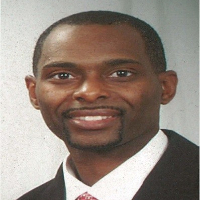
Dr. Charles Graham
LMSW
Compassionate clinician focused on trauma recovery
- Trauma-informed care
- Practical coping tools
- Warm, interactive style
About Charles
Dr. Graham is an LMSW with 20 years of clinical experience and practices in Michigan. He has worked across public and private settings and has supported people through depression, substance use, trauma, identity concerns, and relationship strain. He focuses on what a person needs in the moment and adapts his work to each situation.
In sessions he emphasizes practical tools and real-life steps people can use between meetings. He draws on Trauma-Focused Therapy alongside cognitive-behavioral methods to address symptoms and help process difficult experiences. He also uses Acceptance and Commitment Therapy, client-centered techniques, and elements of Dialectical Behavior Therapy when those fit the client's goals.
Dr. Graham keeps a nonjudgmental, optimistic, and interactive style. He aims to tailor discussions and plans so they match each person’s priorities and daily life. People who want a pragmatic, compassionate guide to work through tough emotions often seek his help.
If you want to begin, be prepared to share the concerns that matter most. The initial steps focus on understanding goals and building a plan you can follow between sessions.
How these approaches work in online therapy
Trauma-Focused Therapy focuses on helping people process painful memories and reduce their hold on daily life. It generally involves careful, paced conversations and practical coping skills to manage reactions that come up after trauma.Acceptance and Commitment Therapy (ACT) helps people notice thoughts and feelings without getting stuck in them while clarifying what matters most. It often includes short exercises to build flexibility and action toward personal values.
Cognitive Behavioral Therapy (CBT) looks at the links between thoughts, feelings, and behaviors and teaches specific tools to change unhelpful patterns. It usually involves setting small goals and practicing new skills between sessions.
Finding the right approach is a shared process. The therapist will talk with each person about their needs, goals, and preferences and then tailor methods that fit. That collaborative work helps decide which techniques to use and how quickly to move forward.
Confirm current session options before booking, since formats are not listed here. Online work can make it easier to fit therapy into a busy life - for example, by avoiding travel, offering brief check-ins that fit a lunch break, or removing the need to be on camera when that helps. Discuss practical scheduling needs during the first steps so sessions can be arranged to match everyday routines.
These summaries are based on the profile information listed on BetterHelp. Listing trauma-focused therapy does not mean a therapist holds a specific certification such as TF-CBT, EMDR or CPT.
Areas of expertise
Primary focus
Also works with
Additional focus areas
Therapeutic approaches
Experience
20+ years
Credentials
Michigan
Languages
English
Licenses listed
- LMSW, Michigan6801088470
- NPI1548502321
As listed on the therapist's profile. You can check a license with the state licensing board and an NPI in the national registry.
Frequently asked questions
What issues does this therapist address?
He helps people with stress, anxiety, addictions, trauma and abuse, anger, depression, relationship and family concerns, grief, intimacy-related issues, eating and sleeping problems, parenting, self-esteem, bipolar disorder, ADHD, and coping with life changes.
What is the therapist's general approach in sessions?
The approach is pragmatic and interactive, combining Trauma-Focused Therapy with cognitive-behavioral strategies, Acceptance and Commitment Therapy, client-centered methods, and Dialectical Behavior Therapy when appropriate.
How much clinical experience does the therapist have?
The therapist has 20 years of clinical experience working in both public and private settings.
What credentials and location are listed for the therapist?
The clinician holds the credential LMSW and is based in Michigan.
Which languages are supported and can international clients connect?
Sessions are offered in English and the therapist accepts international clients.
What session formats are available?
Session formats are not specified here; please confirm the current session options before booking.
How are fees and billing handled?
Costs vary with location and therapist availability, and sessions use a subscription that can be canceled at any time.
How do I begin working with this therapist?
Click the Start Therapy button, complete a short matching questionnaire, and schedule sessions according to the therapist's availability.
Therapists on BetterHelp do not prescribe medication; a doctor can talk with you about medical options. This directory is not a crisis service. If you are in immediate danger, call 911. If you are thinking about suicide, call or text 988.