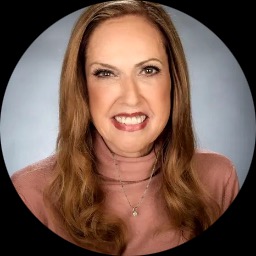
Cathy Drucker
LCSW
Practical trauma-informed therapy with clear steps
- Trauma-Focused Therapy
- Client-centered care
- Illinois based LCSW
About Cathy
She uses Trauma-Focused Therapy alongside approaches such as Acceptance and Commitment Therapy, Attachment-Based Therapy, client-centered work, and cognitive behavioral therapy. Cathy aims to build a partnership with each client and create a plan that fits their life. Sessions prioritize clear goals and straightforward strategies that clients can try between meetings.
Her background includes thirty years of clinical practice in Illinois and work across varied settings with many kinds of challenges. That breadth of experience informs how she tailors plans to things like chronic pain, addiction, communication problems, and mood concerns. She draws on a range of methods to match what each person needs.
Cathy emphasizes making the first session comfortable and answering common questions about the therapy process. She explains steps, timelines, and what progress might look like, and she adjusts pace to each person's needs. The aim is to help people notice small changes that add up over time.
Throughout work together, Cathy focuses on collaboration and clear, doable steps. She helps people identify patterns, practice new behaviors, and build supports that make daily life more manageable.
How therapeutic approaches translate to online work
Trauma-Focused Therapy focuses on helping people process difficult experiences in manageable steps, often using grounding, pacing, and memory-focused techniques to reduce overwhelming reactions. It can help with anxiety, mood concerns, and the ongoing effects of past stress.Acceptance and Commitment Therapy, or ACT, helps people notice thoughts and feelings without getting stuck in them while identifying valued actions to move toward. It is useful for stress, anxiety, and when someone wants practical ways to live by their values.
Attachment-Based Therapy looks at how early relationship patterns affect current reactions and closeness. It helps people improve communication, trust, and emotional connection by practicing new ways of relating.
Finding the best approach is part of the work. Cathy will collaborate with each person to choose methods that match their needs, goals, and preferences. That may mean trying a technique for a few sessions and adjusting based on what helps most.
Session logistics should be confirmed before booking because specific online formats are not listed here. Many people appreciate online therapy for fitting sessions into busy schedules, reducing travel time, and allowing work during breaks. Some formats make it easier to have shorter check-ins or to avoid video when bandwidth is limited. Confirm the available session options when you schedule to pick what works best for your routine.
These summaries are based on the profile information listed on BetterHelp. Listing trauma-focused therapy does not mean a therapist holds a specific certification such as TF-CBT, EMDR or CPT.
Areas of expertise
Primary focus
Additional focus areas
Therapeutic approaches
Experience
30+ years
Credentials
Illinois
Languages
English
Licenses listed
- LCSW, Illinois149.017307
- NPI1295125680
As listed on the therapist's profile. You can check a license with the state licensing board and an NPI in the national registry.
Frequently asked questions
What concerns does Cathy commonly help with?
She works with stress, anxiety, depression, anger, relationship problems, and self-esteem issues, plus related areas like addiction, chronic illness, and obsessions or compulsions.
How would you describe her therapy style?
Her style is collaborative and practical, combining Trauma-Focused Therapy with ACT, attachment work, client-centered listening, and CBT to set clear goals and steps you can use between sessions.
What kind of clinical background does she bring?
Cathy has thirty years of clinical experience working in a variety of settings, which she uses to adapt treatment plans to each person's needs.
Where is she licensed and based?
She is an LCSW licensed in Illinois and practices from that state.
In which languages can therapy be provided?
Sessions are offered in English and she also accepts international clients.
What session formats are offered?
Session formats are not specified in this profile; please confirm current session options before booking.
How are costs and billing handled?
Fees vary with location and therapist availability, and sessions use a subscription that can be canceled at any time.
How do I begin working with her?
Click the Start Therapy button, complete a short matching questionnaire, and schedule according to therapist availability.
Therapists on BetterHelp do not prescribe medication; a doctor can talk with you about medical options. This directory is not a crisis service. If you are in immediate danger, call 911. If you are thinking about suicide, call or text 988.