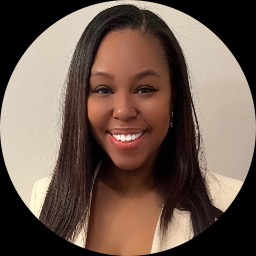
Dr. Bianca Clark
LCSW
Trauma-informed care with practical tools
- Compassionate listening
- Evidence-based methods
- Skill-focused work
About Bianca
In sessions she helps people make sense of difficult feelings and painful memories. She offers practical tools for panic, mood shifts, and social anxiety. Communication skills and self-love are common goals people work on together with her.
Her approach blends Trauma-Focused Therapy with Cognitive Behavioral Therapy and Acceptance and Commitment Therapy when those fit a person’s needs. Attachment-based ideas and client-centered techniques shape how she listens and responds. Treatment plans are tailored to what each person brings to the room.
Dr. Clark emphasizes collaboration. She helps people set clear goals and checks progress along the way. For many, this means learning new ways to handle triggers, repair relationship patterns, and reduce shame.
People also bring concerns about caregiving stress, abandonment, guilt, and life purpose. She works with those issues by combining skills practice, emotion-focused conversation, and gradual steps toward change. Her aim is to help people feel more steady and capable in everyday life.
Online approaches for trauma and behavior change
Trauma-Focused Therapy helps people process painful or frightening experiences by working carefully through memories and their effects. It is often used when past events continue to cause anxiety, panic, flashbacks, or avoidance. Acceptance and Commitment Therapy, or ACT, teaches people how to notice difficult thoughts and feelings while taking actions that match their values. It can help with anxiety, depression, and getting unstuck when life changes feel overwhelming. Attachment-Based Therapy looks at relationship patterns and how early bonds shape current trust, communication, and closeness. It is useful when people want to understand repeating patterns in relationships and feel more secure.Finding the right approach is part of therapy. The therapist will work together with each person to decide which methods fit their needs, goals, and preferences. That collaborative process includes checking how methods feel and adjusting as progress is made.
Confirm current session options before booking so you know what formats are available. Online therapy can make it easier to fit sessions into a busy schedule, reduce travel time, and keep continuity when life is hectic. Some formats may be more comfortable for quieter check-ins, while others suit longer skill-building work. Talk with the therapist about what will work best for timing and the type of session you want.
These summaries are based on the profile information listed on BetterHelp. Listing trauma-focused therapy does not mean a therapist holds a specific certification such as TF-CBT, EMDR or CPT.
Areas of expertise
Primary focus
Also works with
Additional focus areas
Therapeutic approaches
Experience
16+ years
Credentials
Illinois
Languages
English
Licenses listed
- LCSW, Illinois149021215
- NPI1700444320
As listed on the therapist's profile. You can check a license with the state licensing board and an NPI in the national registry.
Frequently asked questions
What kinds of problems does she address?
She supports people experiencing stress, anxiety, depression, relationship difficulties, trauma and abuse, and challenges with self-esteem and life transitions.
How would you describe her therapeutic style?
Her style is collaborative and practical. She mixes listening with skill-building and keeps goals clear and measurable.
What is her background and level of experience?
She has 16 years of experience working as a clinical social worker and has focused on trauma recovery, mood disorders, and attachment concerns over her career.
What credential does she hold and where is she based?
She holds an LCSW credential and practices in Illinois.
Which languages are sessions offered in?
Sessions are offered in English.
Can people outside the United States work with her?
She does not accept international clients at this time.
How are fees and payment handled?
Cost varies with location and therapist availability; sessions use a subscription that can be canceled at any time.
What do I do to begin working with her?
Select the Start Therapy button, complete a short matching questionnaire, and schedule according to therapist availability.
Therapists on BetterHelp do not prescribe medication; a doctor can talk with you about medical options. This directory is not a crisis service. If you are in immediate danger, call 911. If you are thinking about suicide, call or text 988.