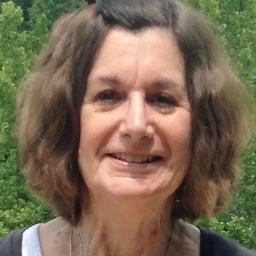
Barbara Vincent
LCSW
Collaborative trauma-informed LCSW
- Trauma-focused approach
- Attachment work
- Skills and insight
About Barbara
She frames the first session as the start of healing. Barbara says therapy is driven by the client's goals and pace. She may gently prompt exploration of additional areas when the client is ready. She uses a mix of methods so people can express what words alone may not capture.
Her practice includes Trauma-Focused Therapy alongside attachment-focused and client-centered approaches. She blends these with cognitive behavioral and dialectical tools when helpful. That mix is aimed at building practical skills and insights that apply to current problems and future challenges.
Barbara has experience across hospitals and community mental health settings. That background includes work with bipolar disorder, depression, anxiety, trauma and abuse, relationship and intimacy issues, gender identity concerns, and addictions. She also lists supports for grief, parenting strain, sleep and eating problems, anger, career stress, and ADHD-related difficulties.
Clients who choose Barbara can expect straightforward, calm sessions that balance conversation with nonverbal or multi-sensory activities. Her Missouri practice is guided by the belief that therapy is the client's work and the therapist's role is to walk alongside them.
How therapeutic approaches translate to online care
Trauma-Focused Therapy focuses on understanding and processing traumatic events. It typically uses gentle, paced techniques to help people make sense of painful memories and reduce how overwhelming they feel. Attachment-Based Therapy looks at relationship patterns formed early in life and how they affect current connections; it helps people notice patterns and try new ways of relating. Client-Centered Therapy centers on a respectful, accepting conversation where the therapist follows the client's lead and supports self-directed change.Finding the right approach is part of the work. The therapist will collaborate with each person to decide which methods fit their goals, needs, and comfort. That may mean combining approaches and adjusting the pace over time so the process feels manageable.
Confirm which session formats are offered before booking, as the profile does not list specific formats. Many people find online therapy useful because it can fit more easily around work, school, and family commitments, allow shorter check-ins when needed, and reduce travel time. Online sessions can also make it easier to continue weekly work during life transitions or when getting to an office is difficult. Licensed professionals can discuss practical scheduling options when arranging your first appointment.
These summaries are based on the profile information listed on BetterHelp. Listing trauma-focused therapy does not mean a therapist holds a specific certification such as TF-CBT, EMDR or CPT.
Areas of expertise
Primary focus
Also works with
Additional focus areas
Therapeutic approaches
Experience
15+ years
Credentials
Missouri
Languages
English
Licenses listed
- LCSW, Missouri003493
- NPI1144709726
As listed on the therapist's profile. You can check a license with the state licensing board and an NPI in the national registry.
Frequently asked questions
What concerns does Barbara address in therapy?
She works with a wide range of issues including trauma and abuse, mood disorders like bipolar and depression, anxiety, relationship and intimacy problems, addictions, grief, and stress from life changes.
How would you describe her therapeutic style?
Her style is collaborative and client-led; she combines Trauma-Focused Therapy, attachment-informed work, and client-centered techniques with cognitive and dialectical strategies when useful.
What is her professional background?
She has 15 years of experience and has worked in private and state hospitals as well as community mental health centers, among other settings.
What are her credentials and where does she practice?
She holds an LCSW credential and is based in Missouri.
Which languages are supported during sessions?
Sessions are offered in English.
Can people outside the U.S. work with her?
International clients are not accepted at this time.
How is cost handled for sessions?
Cost varies with location and therapist availability; sessions use a subscription that can be canceled at any time.
What are the steps to begin therapy?
To start, select the Start Therapy button, complete a short matching questionnaire, and schedule sessions according to therapist availability.
Therapists on BetterHelp do not prescribe medication; a doctor can talk with you about medical options. This directory is not a crisis service. If you are in immediate danger, call 911. If you are thinking about suicide, call or text 988.