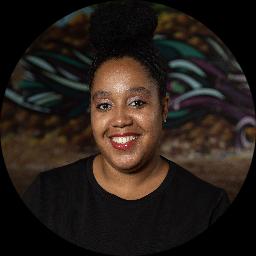
Antoinette Ali
LMSW
Strength-based therapist focusing on trauma and coping
- Trauma-informed methods
- Strengths focused
- Practical strategies
About Antoinette
She uses practical conversation and goal-setting to help people feel more confident and capable. Her approach includes Trauma-Focused Therapy, Client-Centered Therapy, and Cognitive Behavioral Therapy, along with mindfulness and motivational techniques. These methods inform how she listens and offers tools, rather than dictating one single path.
Sessions tend to center on what the person wants to change. Antoinette helps identify small, doable steps that lead to clearer thinking and better coping. She also works with issues related to relationships, LGBT concerns, anger, and postpartum mood differences.
Many clients come for help with communication problems, family tensions, forgiveness, or finding life purpose. Antoinette blends supportive listening with practical strategies like thought-behavior work and mindfulness exercises. She aims to make each session feel focused and achievable.
Her style is collaborative and encouraging. Antoinette invites people to bring their goals and worries, and she helps map a path forward that fits everyday life. People interested in working together are asked to begin by using the site's Start Therapy process.
How her approaches translate to online therapy
Antoinette integrates Trauma-Focused Therapy in a way that focuses on safety and gradual processing, helping people reduce the hold past events have on daily life. Client-Centered Therapy guides sessions toward the person's priorities, offering a listening, nonjudgmental space that supports self-directed change. Cognitive Behavioral Therapy helps identify unhelpful thoughts and test small behavior changes to improve mood and functioning.Finding the right mix of approaches is part of the process. The therapist will collaborate with each person to choose methods that match their goals, needs, and preferences. This means adjusting pacing, focusing on skills practice, or spending more time on feelings and story as needed.
If you are considering online sessions, confirm the current session options before booking so you know what formats are available. Online work can make it easier to fit therapy into a busy week, allow for shorter check-ins when needed, and reduce the time required for travel. Antoinette uses her clinical approaches to help people practice new skills between meetings and bring real-life concerns into sessions for problem-solving.
These summaries are based on the profile information listed on BetterHelp. Listing trauma-focused therapy does not mean a therapist holds a specific certification such as TF-CBT, EMDR or CPT.
Areas of expertise
Primary focus
Also works with
Additional focus areas
Therapeutic approaches
Experience
10+ years
Credentials
Michigan
Languages
English
Licenses listed
- LMSW, Michigan6801105822
- NPI1942684550
As listed on the therapist's profile. You can check a license with the state licensing board and an NPI in the national registry.
Frequently asked questions
What concerns does Antoinette commonly help with?
She helps people with stress, anxiety, grief, self-esteem, depression, relationship and family issues, trauma and abuse, anger, and coping with life changes.
How would you describe her therapeutic style?
Her style is collaborative and client-centered, emphasizing strengths, practical steps, and tools like mindfulness and motivational techniques to support change.
What is her background and experience?
She holds a LMSW and has ten years of professional experience working with a range of mood, trauma, and life transition concerns.
Where is she licensed to practice?
She is licensed in Michigan as an LMSW and sees clients in that state.
Which languages are sessions offered in?
Sessions are offered in English.
Can people outside the U.S. work with her?
She does not accept international clients at this time.
How does payment and cost work?
Cost varies with location and therapist availability; sessions use a subscription that can be canceled at any time.
What are the first steps to begin therapy?
Use the Start Therapy button, complete the short matching questionnaire, and schedule sessions according to the therapist's availability.
Therapists on BetterHelp do not prescribe medication; a doctor can talk with you about medical options. This directory is not a crisis service. If you are in immediate danger, call 911. If you are thinking about suicide, call or text 988.